Category: health

  • Top Healthcare Technology Trends Revolutionizing Patient Care

    Top Healthcare Technology Trends Revolutionizing Patient Care

    A New Era in Healthcare

    We’re living in a time when technology and medicine are evolving hand in hand—and the results are extraordinary. In 2025, healthcare technology is no longer limited to hospitals or doctor visits. From smartwatches monitoring your heartbeat to AI systems that can diagnose cancer with pinpoint accuracy, the future is already here. These Healthcare Technologies aren’t just improving outcomes—they’re saving lives, making care more accessible, and empowering patients like never before.

    In this article, we’ll explore how cutting-edge tools like artificial intelligence, robotics, wearables, and telemedicine are transforming healthcare as we know it.

    1. Artificial Intelligence (AI) Is Revolutionizing Diagnosis and Treatment

    If there’s one technology that’s making the biggest waves in healthcare, it’s artificial intelligence. AI is no longer just a buzzword—it’s now actively used to interpret medical images, predict disease risk, and even personalize treatment plans.

    AI algorithms are now being trained to read X-rays, MRIs, and CT scans faster—and often more accurately—than human radiologists. For example, Google’s DeepMind developed an AI tool that can detect breast cancer with higher accuracy than doctors in some cases.

    AI in Personalized Care

    AI also powers platforms that tailor treatments based on a person’s genetic profile, lifestyle, and previous medical history. This makes precision medicine more effective and reduces trial-and-error in treatment.

    2. Telemedicine: Bringing Healthcare Home

    Remember when seeing a doctor meant sitting in a waiting room? Not anymore. Telemedicine has changed that. During the COVID-19 pandemic, virtual care became essential—and it hasn’t slowed down since.

    Why Patients Love Telehealth

    • Convenience: Schedule appointments and get care from the comfort of your home.
    • Accessibility: Especially helpful for rural communities or people with limited mobility.
    • Continuity of Care: Chronic conditions like diabetes, heart disease, and mental health disorders can be managed remotely.

    Recent studies show that over 60% of patients prefer telehealth for follow-up visits, and more insurance providers are now covering these services.

    3. Wearable Health Devices: Tracking Wellness in Real Time

    Chances are, you or someone you know is wearing a smartwatch right now. But these aren’t just fitness accessories anymore—they’re powerful medical tools.

    Studies from Mayo Clinic show how fitness trackers help individuals take charge of their health by monitoring vital signs in real time.

    How Wearables Support Health

    Modern wearables track:

    • Heart rate variability
    • Blood oxygen (SpO2) levels
    • Sleep quality
    • ECG readings
    • Blood sugar (with newer CGMs)

    Doctors can use this data to monitor patients remotely and intervene early if something looks off. It’s a game-changer for people managing chronic illnesses like diabetes, hypertension, and kidney disease, where early signs are crucial.

    Wearables are also empowering individuals to take control of their own health—making medicine more preventive than ever before.

    4. Robotic Surgery: Precision You Can Trust

    Robots aren’t taking over the world—but they are assisting surgeons in operating rooms with incredible precision.

    Benefits of Robotic-Assisted Surgery

    • Smaller incisions = quicker recovery
    • Less blood loss and reduced infection risk
    • 3D imaging for better visibility
    • Enhanced precision during complex procedures

    Robotic systems like the da Vinci Surgical System are now commonly used for urology, gynecology, and heart surgeries. And as these machines get smarter, expect to see even more minimally invasive procedures becoming the norm.

    5. Big Data and Electronic Health Records (EHRs): Smarter Decisions with Smarter Data

    Ever feel frustrated when your doctor doesn’t know your full history? That’s changing thanks to electronic health records (EHRs) and big data analytics.

    Why EHRs Matter

    • Instant access to your medical history across hospitals and clinics
    • Fewer repeated tests or missed diagnoses
    • Improved communication between specialists

    Big data also allows hospitals to:

    • Spot disease trends early
    • Allocate staff and equipment efficiently
    • Forecast patient care needs

    The future? AI will soon use this data to suggest real-time treatments and flag potential health risks—even before symptoms start.

    6. 3D Printing in Healthcare: Personalized, Affordable, and Fast

    It may sound like science fiction, but 3D printing is already transforming patient care.

    Medical Uses of 3D Printing

    • Custom prosthetics tailored to individual body shapes
    • Dental implants and braces fitted perfectly
    • Surgical guides and organ models
    • Bio-printing human tissues (still in early stages, but promising)

    3D printing has dramatically reduced the cost and wait time for prosthetic limbs, making them accessible to children and people in developing countries.

    7. Blockchain: A Safer Way to Handle Medical Data

    Cybersecurity in healthcare is a major concern—and blockchain technology may be the solution.

    What Blockchain Does

    • Creates tamper-proof patient records
    • Ensures transparency in drug supply chains
    • Verifies healthcare professionals’ credentials

    With blockchain, patients have more control over their data, and hospitals can protect against data breaches and fraud.

    The Human Side of Healthcare Innovation

    While all these technologies sound exciting, they’re ultimately about one thing: improving the human experience. Better diagnosis. Faster treatment. More personalized care. Greater access for all.

    As we move further into 2025 and beyond, expect healthcare technology to become more patient-centered, data-driven, and digitally connected. But one thing will never change: the importance of empathy, trust, and human connection in healing.

  • Unseen Threats: Revealing Overlooked Cancer Symptoms in All

    Unseen Threats: Revealing Overlooked Cancer Symptoms in All

    Cancer, a silent adversary, often lurks behind seemingly innocuous symptoms, evading detection until it’s too late. In a world bustling with activity, these signs can easily slip under the radar. Yet, vigilance and early recognition hold the key to tipping the scales in the battle against cancer. Join us as we uncover some of the most commonly overlooked cancer symptoms in both women and men, illuminating the path to proactive health management.

    Unveiling Symptoms in Women:

    1. Unexplained Weight Loss:

       Shedding pounds without effort may seem like a dream come true, but when it occurs unexpectedly, it could signal trouble. Did you know that unexplained weight loss is often associated with various cancers, including ovarian, colon, and pancreatic? Don’t brush it off – consult a healthcare professional for a thorough evaluation.

    2. Changes in Breast Appearance:

       Ladies, your breasts can be your allies in the fight against cancer. Any alterations in size, shape, or the presence of lumps should raise a flag. While hormonal fluctuations are common, these changes could also indicate breast cancer. Swift action, including clinical breast examinations and mammograms, is imperative for early detection.

    3. Persistent Fatigue:

       Feeling perpetually drained, despite ample rest, could be your body’s way of signaling distress. Persistent fatigue, coupled with unexplained pain or changes in bowel habits, warrants attention. Ladies, don’t ignore these red flags; consult your healthcare provider promptly for further assessment.

    Unveiling Symptoms in Men:

    1. Changes in Urination Patterns:

       Gentlemen, pay heed to your body’s signals, especially when it comes to urination. While some changes may be benign, persistent alterations like increased frequency or blood in the urine could hint at prostate cancer. Don’t delay – seek medical advice for a comprehensive evaluation.

    2. Persistent Heartburn or Indigestion:

       That burning sensation in your chest may be more than just a passing discomfort. Chronic heartburn or indigestion could signify underlying issues, such as esophageal or stomach cancer. Men, don’t dismiss these symptoms; consult a healthcare professional for a thorough assessment.

    3. Changes in Testicular Size or Shape:

       Your testicles can offer valuable insights into your health. Any changes in size, shape, or texture should prompt further investigation. Gentlemen, perform regular self-examinations and don’t hesitate to seek medical attention if you detect any abnormalities.

    Conclusion:

    Cancer respects no boundaries – it can affect anyone, regardless of gender, age, or background. By staying attuned to our bodies and heeding the subtle warnings they offer, we empower ourselves in the fight against this formidable foe. Remember, early detection is our greatest defense. Let’s prioritize regular check-ups, listen to our bodies, and take proactive steps towards better health and well-being. Together, we can unveil the unseen and triumph over cancer.

  • Guardians of the Kidneys: Understanding, Treating, and Nurturing Renal Health

    Guardians of the Kidneys: Understanding, Treating, and Nurturing Renal Health

    Embark on a journey through the intricate landscape of kidney health, where millions worldwide grapple with kidney disease. Understanding its nuances, from causative factors to treatment avenues and essential care tips, becomes paramount in navigating this challenging terrain. Join us as we embark on a comprehensive exploration, shedding light on the fundamentals of kidney disease, empowering both those affected and their caregivers.

    Understanding Kidney Disease:

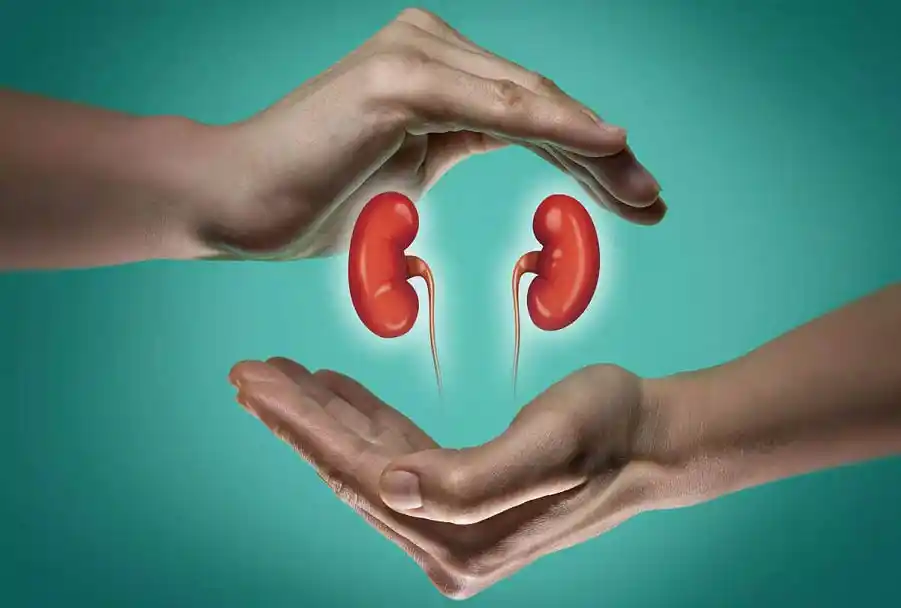
    Nestled like precious gems on either side of the spine, the kidneys stand as guardians of bodily purity, filtering waste and regulating fluid balance with precision. Yet, when besieged by disease, their prowess wanes. Delve deeper, and you’ll uncover the multifaceted causes of kidney disease:

    1. Diabetes: The relentless assault of uncontrolled diabetes inflicts damage upon the delicate blood vessels within the kidneys, consequently impeding their vital function over time.
    2. High Blood Pressure: The silent predator, hypertension, exerts undue strain on the kidney’s intricate network of vessels, impairing their ability to expel waste effectively.
    3. Family History: In the intricate dance of genetics, some inherit a predisposition to kidney disease, casting a shadow of heightened risk upon their health.
    4. Age: As the sands of time trickle by, the kidneys, like seasoned warriors, falter, their function gradually declining with age.
    5. Smoking and Alcohol: The insidious companions of smoking and excessive alcohol consumption cast a dark shadow upon kidney health, their toxic tendrils gnawing away at vitality.
    6. Certain Medications: The double-edged sword of medication, while a boon for many ailments, harbors the potential to sow seeds of kidney dysfunction when wielded over prolonged periods.

    Treatment Odyssey:

    Embarking on the quest to tame kidney disease, the path diverges into varied treatment avenues, each a beacon of hope amidst the storm:

    1. Medications: Armed with precision, prescription medications stand as stalwart allies, reigning in blood pressure, taming diabetes, and quelling the tumult of underlying conditions that fuel kidney disease.
    2. Dialysis: As the tempest rages, dialysis emerges as a lifeline, offering respite through artificial filtration, purging the blood of toxins and restoring equilibrium.
    3. Kidney Transplant: Amidst the fray, the beacon of transplantation shines bright, offering a new lease on life as a healthy kidney takes root, displacing its diseased counterpart.

    Nurturing Kidney Vitality:

    In the tapestry of self-care, nurturing kidney vitality emerges as a golden thread, weaving its essence into everyday life:

    1. Hydration Harmony: Quench the thirst of your kidneys with the elixir of life, water, ensuring their function flows unhindered amidst the currents of bodily fluidity.
    2. Culinary Symphony: Craft a culinary masterpiece rich in nature’s bounty – fruits, vegetables, whole grains, and lean proteins – while sparingly sprinkling the canvas with sodium, sugar, and saturated fats.
    3. Exercise Euphoria: Dance to the rhythm of vitality with regular exercise, sculpting a temple of health, while orchestrating a symphony of lowered blood pressure and enhanced well-being.
    4. Vigilance Vigor: Keep a watchful eye on the gauges of health; additionally, monitor blood pressure and blood sugar levels with unwavering resolve, heeding the counsel of healthcare stewards.
    5. Liberation from Lurkers: Banish the shadows of smoking and excessive alcohol consumption from your realm, fostering an oasis of kidney well-being.
    6. Stress Serenity: Embrace the tranquility of stress reduction techniques, weaving a tapestry of calm amidst life’s tumult, nurturing kidney health in the cradle of serenity.
    7. Sentinel of Health: Enlist the aid of vigilant guardianship; consequently, schedule regular checkups with healthcare custodians, ensuring the whisper of kidney health echoes loudly through the corridors of well-being.

    Final Thoughts:

    As the curtain falls on our odyssey through the realm of kidney health, let us heed the clarion call of empowerment. Moreover, armed with understanding, fortified by resilience, and guided by the beacon of care, let us embark upon the journey to nurture kidney health with unwavering resolve. Furthermore, in the embrace of proactive management lies the promise of a brighter horizon, where the symphony of vitality resonates unabated, enriching lives with each passing moment.

    For a deeper exploration into the perils of unhealthy eating habits, journey through the bitter truths revealed in “Bitter Bite: The Painful Impact of Junk Foods on Health.

  • Heart Health: The Power of Vitamin C in Your Diet

    Heart Health: The Power of Vitamin C in Your Diet

    In the quest for a healthier heart, we often overlook the power of simple nutrients like Vitamin C. Did you know that beyond its immune-boosting prowess, Vitamin C plays a pivotal role in cardiovascular health? Let’s delve into the heart-healthy benefits of Vitamin C, discover the optimal times to consume it, and explore tantalizing sources to jazz up your diet while boosting heart wellness.

    The Heart-Healthy Benefits of Vitamin C

    Vitamin C, the unsung hero of heart health, is more than just a common cold fighter. Here’s how it champions cardiovascular wellness:

    1. Antioxidant Powerhouse: Think of Vitamin C as your heart’s knight in shining armor. Its potent antioxidant properties neutralize harmful free radicals, safeguarding your blood vessels from potential damage and thwarting the onset of heart disease.
    2. Champion of Blood Vessel Integrity: Vitamin C is the architect behind the scenes, ensuring your blood vessels stand strong. By facilitating collagen synthesis, it maintains the structural integrity of blood vessels, promoting flexible arteries and optimal blood flow, which in turn reduces the risk of hypertension and stroke.
    3. Heart’s Ally Against Cholesterol: Say goodbye to the “bad guy” cholesterol with Vitamin C on your side. Studies show that higher Vitamin C intake correlates with lower levels of LDL cholesterol and triglycerides, while elevating the levels of HDL cholesterol, thereby fortifying your heart’s defenses against disease.
    4. Inflammation Soother: Inflammation is the silent saboteur of heart health, but fear not—Vitamin C comes to the rescue once again. With its anti-inflammatory prowess, it quells chronic inflammation, shielding your heart from harm and ensuring its steady beat for years to come.

    Timing Is Everything: When to Consume Vitamin C for Maximum Impact

    Mastering the art of Vitamin C consumption can elevate your heart health game. Here’s how to time it right:

    1. Rise and Shine with Vitamin C: Kickstart your day with a burst of energy by incorporating Vitamin C-rich foods into your morning routine. Not only does it invigorate you, but it also jumpstarts your metabolism for a productive day ahead.
    2. Fuel Up with Meals: Pairing Vitamin C-rich foods with your meals isn’t just about flavor—it’s about enhancing iron absorption from plant-based sources, ensuring your heart receives the nutrients it needs to thrive.
    3. Pre-Exercise Boost: Give your heart a head start by fueling up with Vitamin C before hitting the gym. Not only does it help reduce post-exercise muscle soreness, but it also combats oxidative stress, ensuring your heart remains resilient in the face of physical exertion.

    Embrace the Bounty: Vitamin C-Rich Foods to Savor

    Elevate your culinary experience while nurturing your heart with these delectable sources of Vitamin C:

    1. Citrus Symphony: Indulge in the tangy sweetness of oranges, lemons, grapefruits, and limes—nature’s gift brimming with Vitamin C. Savor them as snacks, juices, or zest up your salads with their vibrant hues.
    2. Pepper Parade: Let the colorful bell peppers take center stage in your culinary masterpiece. Whether sliced into stir-fries, tossed into salads, or savored raw with hummus, their Vitamin C-rich goodness will tantalize your taste buds.
    3. Berry Bliss: Dive into a bowl of succulent strawberries—a delightful Vitamin C-rich treat that’s perfect on its own, blended into smoothies, or sprinkled atop yogurt for a burst of flavor and health.
    4. Broccoli Bonanza: Elevate your veggie game with the mighty broccoli—a powerhouse of nutrients, including ample Vitamin C. Whether steamed, roasted, or sautéed, its versatility ensures a nutritious addition to any meal.
    5. Kiwi Extravaganza: Embark on a tropical journey with the exotic kiwi fruit—an explosion of Vitamin C and antioxidants. Slice it, dice it, or blend it into smoothies for a refreshing and nutritious delight.
    6. Guava Gala: Transport yourself to sun-kissed shores with the luscious guava—a Vitamin C-rich gem among fruits. Enjoy it whole or blended into exotic juices and smoothies for a taste of paradise.

    Elevate Your Heart Health with Vitamin C:

    Vitamin C isn’t just a nutrient—it’s your heart’s steadfast ally in the journey toward optimal health. By embracing Vitamin C-rich foods and strategically incorporating them into your daily routine, you can unlock the full potential of this powerhouse nutrient and pave the way for a healthier heart and a happier you. So, embark on this flavorful adventure, savoring every bite while nurturing your heart and nourishing your soul. Your heart will thank you for it!

  • Listen to Your Heart: Identifying Crucial Heart Attack Warning Signs

    Listen to Your Heart: Identifying Crucial Heart Attack Warning Signs

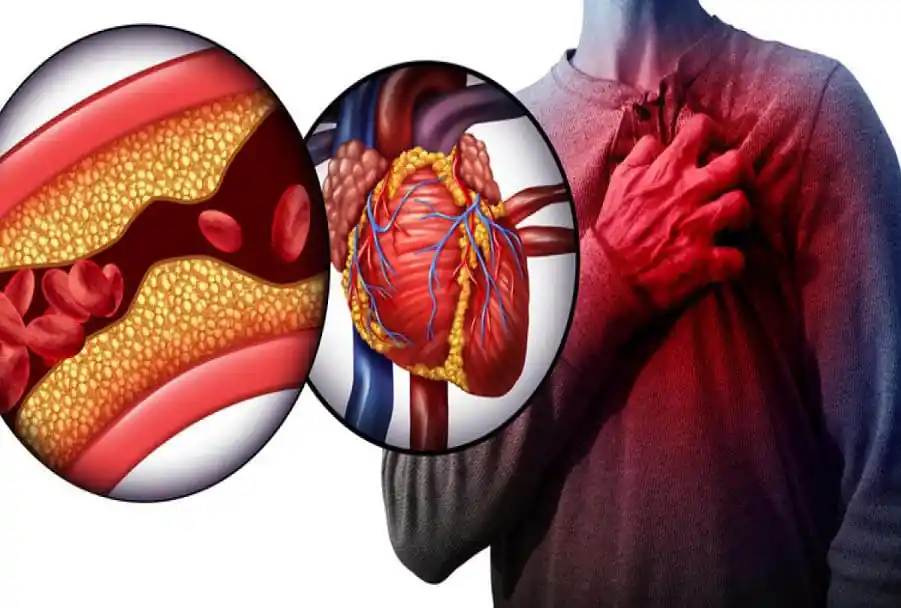
    In the vast tapestry of health challenges, few adversaries strike as swiftly and silently as a heart attack. It’s the stealth assailant, prowling the corridors of our arteries, waiting for a moment of vulnerability to pounce. But fear not, for within the labyrinth of symptoms lies our key to resilience. Imagine a global stage where heart disease commands the spotlight as the foremost threat to our well-being. Yet amidst this daunting panorama, there exists a beacon of hope – the power to decipher the signs of a heart attack. It’s akin to unraveling a cryptic code, where each subtle cue holds the promise of timely intervention and renewed vitality.

    Consider it a race against time, with millions across the globe navigating the perilous waters of cardiovascular crises annually. But here’s the clincher: swift recognition isn’t just a matter of chance; it’s the linchpin that transforms the odds in our favor.

    So, fellow voyagers on the voyage of well-being, let’s equip ourselves with knowledge, for within its folds lies our greatest armor. Embark with us on an expedition through the corridors of heart health, where we’ll uncover the secrets to safeguarding your most precious possession – your heart. It’s not merely about survival; it’s about thriving, empowered by the acumen to discern the signs of a heart attack and chart a course towards a future brimming with vitality.

    Chest Discomfort:

    The primary symptom of a heart attack is chest discomfort, which may manifest as pressure, tightness, squeezing, or a feeling of fullness. Even if the sensation is mild or intermittent, it should never be ignored, as it could indicate a serious cardiac event. Remember, every second counts in matters of heart health.

    Pain or Discomfort in Other Areas:

    While chest discomfort is prominent, a heart attack can also cause pain or discomfort in other parts of the upper body. Unexplained pain in the left arm, shoulders, neck, jaw, or upper abdomen, especially when accompanied by chest discomfort, requires immediate medical attention.

    Shortness of Breath:

    Suddenly feeling short of breath, even without physical exertion, can be a sign of a heart attack. This sensation may occur with or without chest discomfort. It’s essential not to dismiss unexplained breathlessness, as it could indicate compromised heart function. Your breath is crucial; pay attention to any changes.

     Nausea or Lightheadedness:

    Nausea, vomiting, or lightheadedness may accompany a heart attack, particularly in women. If experienced alongside chest discomfort or other symptoms, these signs should raise immediate concerns about cardiac health.

    Cold Sweats:

    Experiencing sudden, clammy sweats, especially when not related to external factors like heat or physical activity, can be a warning sign of a heart attack. Trust your instincts and seek help immediately if you experience these symptoms.

    Fatigue or Weakness:

    Unexplained fatigue or weakness, especially if severe or sudden, should not be ignored. Pay attention to your body’s signals and seek medical evaluation if you experience unexplained exhaustion. Your body is communicating with you; don’t ignore its signals for help.

    Heart Palpitations:

    Irregular heartbeats or palpitations may occur during a heart attack. Listen to your heart; it may be trying to convey something important.

    Anxiety or Panic:

    Feeling a sense of impending doom, extreme anxiety, or panic without a clear cause can be a subtle yet significant symptom of a heart attack. Trust your instincts and seek medical help if you experience profound anxiety unexpectedly. Your mind and body are interconnected; heed the signals they’re sending you.

    Heart Health: Your Next Steps

    Recognizing the early symptoms of a heart attack is crucial for prompt intervention and improved outcomes. From chest discomfort and pain in other areas to shortness of breath, nausea, and cold sweats, each sign serves as a critical indicator of potential cardiac distress. By staying informed and attuned to your body’s signals, you can take proactive steps to protect your heart health and seek urgent medical attention when necessary. Remember, in matters of the heart, every second counts. Stay vigilant, prioritize your heart health above all else, and take action today to safeguard your tomorrows.

  • Empower Your Wellness: A Woman’s Guide to Protein Powders

    Empower Your Wellness: A Woman’s Guide to Protein Powders

    Welcome to a journey where strength meets vitality, where empowerment intersects with wellness. In today’s dynamic world, women are harnessing the transformative power of protein powders to unlock their full potential. But what lies beyond the buzz? Join us as we delve deep into the world of protein powders, uncovering their benefits, navigating potential pitfalls, and embracing best practices for a healthier, stronger you.

    Unveiling the Benefits:

    Embrace Recovery and Growth:

    In the whirlwind of life’s demands, finding time for self-care can be challenging. Protein powders, from versatile whey to plant-based options like pea or hemp protein, offer a convenient solution for muscle repair and growth. Hear the stories of women athletes and fitness enthusiasts who have experienced firsthand the transformative effects of protein powders on their recovery and performance.

    Find Balance in Weight Management:

    In the quest for balance, protein powders emerge as a game-changer. Scientific studies affirm that integrating protein into meals and snacks can enhance feelings of satiety and support overall calorie control. By incorporating protein powders into delightful smoothies or yogurt bowls, women can relish in satisfying meals while steadfastly supporting their weight management goals.

    Fuel Your Busy Life with Convenience:

    In today’s hustle and bustle, convenience reigns supreme. Protein powders provide a swift and seamless means to augment protein intake, especially for women on the go. Whether it’s a bustling morning or a hectic day at the office, a protein-packed smoothie or protein bar serves as the perfect fuel to keep women energized and invigorated throughout the day.

    Strengthen Your Bones:

    Strong bones are essential for a vibrant, active lifestyle, particularly as women age. Protein powders enriched with calcium, found in select whey or plant-based options, offer a convenient way to fortify bone health. By seamlessly integrating these powders into their daily routine, women can ensure they’re equipped with the essential nutrients for resilient, robust bones.

    Harmonize Hormonal Balance:

    Hormonal equilibrium is key to women’s holistic well-being. Protein intake plays a crucial role in hormone production and regulation, impacting metabolism, mood, and fertility. Through discerning selection of high-quality protein powders and integration into a balanced diet, women can harmonize their hormonal milieu and optimize their health from within.

    Navigating Potential Pitfalls:

    While protein powders offer numerous benefits, it’s essential to tread cautiously. Digestive discomfort, allergic reactions, and kidney strain may arise with excessive consumption or sensitivity to certain ingredients. However, starting with modest doses and opting for premium products can mitigate these risks, ensuring women can savor the benefits of protein powders safely.

    Addressing Women’s Concerns:

    For women with specific concerns about protein powders’ impact on fertility or pregnancy, reassurance is at hand. Research suggests that moderate protein intake is generally safe during pregnancy, supporting maternal health and fetal development. Nonetheless, consulting with a healthcare professional is crucial to address individual needs and concerns. Personal testimonials from women who have safely used it during pregnancy can provide valuable reassurance and guidance.

    Championing Quality and Diversity:

    In the vibrant landscape of protein powders, quality reigns supreme. Look for products boasting third-party certification, free of additives and contaminants, crafted by esteemed brands. By scrutinizing labels and delving into manufacturing processes, women can make astute choices and prioritize quality in their protein powder selection. Trustworthy brands like Vega, Sunwarrior, and Garden of Life offer a diverse array of plant-based options, catering to varied preferences and dietary needs.

    Embrace Variety in Protein Sources:

    While protein powders offer convenience, dietary diversity is paramount. Women should strive to incorporate a variety of protein sources into their diet, including lean meats, fish, legumes, nuts, and seeds. This ensures a wealth of nutrients, nurturing holistic health and wellness. Specific examples of protein-rich foods and tantalizing recipes can inspire women to diversify their diets and embrace a world of flavors.

    Incorporate Protein Powders into Everyday Life:

    Incorporating protein powders into daily fare need not be daunting. Enhance your smoothies, oatmeal, yogurt, or baking recipes with a sprinkle of protein powder for an added punch. Engage in culinary experimentation, exploring diverse flavors and combinations until you find what suits your palate. Visuals of protein powder-infused recipes can ignite creativity and provide inspiration for incorporating them into everyday meals.

    Empower Individualized Approaches:

    In the mosaic of dietary supplements, the effectiveness of protein powders varies from person to person. It’s crucial for women to listen to their bodies, consider their unique dietary preferences and fitness goals, and make choices aligned with their individual needs. Consulting with a healthcare professional or registered dietitian offers invaluable guidance and support in integrating it into a balanced diet. Personal testimonials from women who have tailored their protein powder usage to their specific needs underscore the importance of an individualized approach.

    Final Thoughts:

    Protein powders stand as potent allies in women’s journey towards health and wellness, offering a seamless means to bolster recovery, manage weight, and support overall vitality. By navigating the benefits, potential pitfalls, and best practices for selecting and integrating protein powders, women can unleash their inherent strength and embark on a pathway towards a healthier, stronger tomorrow. Remember, it’s not about achieving perfection—it’s about embracing progress and discovering what resonates best for you. Let’s champion the strength within and embark together on a transformative journey towards a healthier, stronger you.

    For those interested in exploring the benefits of plant-based diets, consider reading our previous article: Plant-Based Diets: A Path to Better Health

  • From Defense to Destruction: How Autoimmune Reactions Alter Blood Sugar via Beta Cells

    From Defense to Destruction: How Autoimmune Reactions Alter Blood Sugar via Beta Cells

    Autoimmune reactions are complex processes that occur within the body’s immune system. In these reactions, the immune system, which typically defends against harmful invaders like bacteria and viruses, mistakenly attacks the body’s own tissues. One significant consequence of autoimmune reactions is their effect on beta cells in the pancreas, leading to disruptions in blood sugar regulation. This article aims to delve into the intricacies of autoimmune reactions, their impact on beta cells, and how they influence blood sugar levels.

    What is an Autoimmune Reaction?

    Autoimmune reactions occur when the body’s immune system, responsible for identifying and neutralizing foreign substances, begins to target its own cells and tissues. This phenomenon results from a breakdown in the immune system’s ability to distinguish between “self” and “non-self” antigens. Instead of protecting the body, the immune system launches attacks on healthy tissues, leading to inflammation, tissue damage, and various autoimmune diseases.

    Impact on Beta Cells:

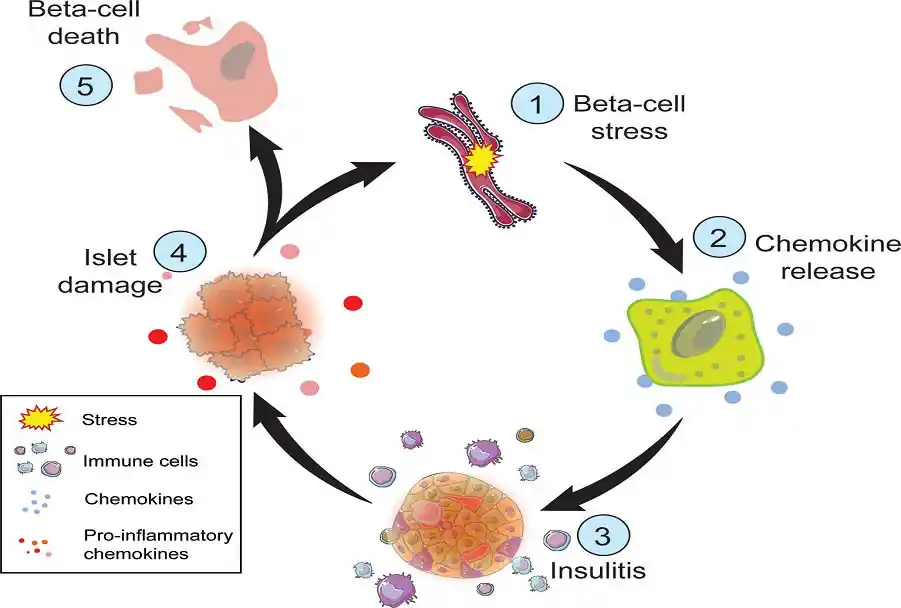
    Beta cells are specialized cells located in the pancreas, responsible for producing insulin, a hormone crucial for regulating blood sugar levels. In autoimmune reactions, beta cells become the unfortunate targets of the immune system’s misguided assault. The immune system mistakenly recognizes beta cells as foreign invaders and launches an attack, leading to their destruction. As beta cell mass diminishes, the pancreas becomes less capable of producing insulin, resulting in insulin deficiency.

    Causing Blood Sugar Fluctuations:

    Beta cells, when damaged or destroyed due to autoimmune reactions, decrease insulin production, impairing glucose uptake by cells. As a result, blood sugar levels begin to rise, a condition known as hyperglycemia. This rise in blood sugar levels occurs because insulin, which plays a pivotal role in glucose metabolism by facilitating the uptake of glucose from the bloodstream into cells for energy production, is insufficiently produced.

    Effects on the Body:

    Persistent hyperglycemia can cause profound effects on various organ systems throughout the body. Elevated blood sugar levels can damage blood vessels, nerves, and organs, contributing to a wide range of complications associated with diabetes. These complications may include cardiovascular disease, neuropathy, nephropathy, and retinopathy, among others. Additionally, uncontrolled diabetes can increase the risk of other autoimmune diseases and infections due to compromised immune function.

    Diagnosis and Treatment:

    Diagnosing autoimmune reactions affecting beta cells typically involves a combination of clinical symptoms, laboratory tests, and imaging studies. Blood tests measuring autoantibodies specific to beta cells, such as anti-insulin antibodies, can help confirm the presence of autoimmune diabetes. Treatment strategies aim to mitigate the immune system’s destructive effects on beta cells while managing blood sugar levels effectively.

    Immunosuppressive medications may be prescribed to suppress the abnormal immune response and preserve remaining beta cell function. Additionally, insulin therapy is essential for individuals with autoimmune diabetes to compensate for the insulin deficiency and maintain optimal blood sugar control. Lifestyle modifications, including a balanced diet, regular exercise, stress management, and adequate sleep, play crucial roles in managing blood sugar levels and supporting overall health.

    Final Thoughts:

    Autoimmune reactions targeting beta cells in the pancreas have significant implications for blood sugar regulation and overall health. Understanding the underlying mechanisms of autoimmune diseases and their impact on beta cell function is essential for developing effective diagnostic and treatment strategies. Through a combination of medical interventions, lifestyle modifications, and ongoing research efforts, individuals affected by autoimmune diabetes can achieve better management of their condition and improve their quality of life.

    See our previous article, Bitter Bite: The Painful Impact of Junk Foods on Health, for more information on the detrimental effects of junk food on health and wellness in general.

  • Tea Troubles: Unveiling Hidden Risks to Your Intestines and Brain

    Tea Troubles: Unveiling Hidden Risks to Your Intestines and Brain

    In the serene moments of a cozy afternoon or amidst the rush of a hectic day, a warm cup of tea often acts as a comforting companion. Yet, beneath the surface of its soothing embrace, lies a tale of caution and concern. While tea is revered for its numerous health benefits, ranging from antioxidant properties to potential weight management aid, the shadows of potential risks to our intestines and brain lurk within the teacup. Let us embark on a journey to unravel these hidden dangers, shedding light on the darker side of tea consumption.

    The Delicate Balance: Intestines and Brain Connection

    Before delving into the perils, it is crucial to grasp the intricate connection between our intestines and brain. The gut-brain axis, a complex network of communication pathways, orchestrates a symphony of signals between these vital organs. Disruptions in this delicate balance can reverberate throughout our bodies, manifesting in various health concerns.

    Heavy Metal Melancholy: The Menace Within

    Picture this: as you sip on your favorite brew, unsuspecting of any harm, heavy metals stealthily make their way into your system. Lead, cadmium, and aluminum, silent intruders lurking in contaminated tea leaves, pose a grave threat to our well-being. Prolonged exposure to these insidious elements can wreak havoc on our intestines, disrupting their delicate ecosystem, and even infiltrating the sanctuary of our brains, casting shadows of toxicity.

    Pesticide Paranoia: The Price of Production

    In the pursuit of bountiful harvests, however, the veil of pesticide residues shrouds tea plantations. Despite being sprayed with good intentions, these chemicals linger, leaving behind a toxic legacy. Consequently, with each sip, we unwittingly ingest residues that may unleash havoc on our intestines, disrupting their harmony. Moreover, the brain, our fortress of cognition, may not be spared, as these chemicals breach its defenses, potentially impairing its functions.

    Caffeine Chronicles: A Jolt to the System

    Ah, the invigorating rush of caffeine, the very essence of many tea blends. Yet, like a double-edged sword, its embrace can cut deep. While moderate consumption offers a welcome boost, excessive intake may stir up a tempest within our intestines, leading to discomfort and distress. Moreover, the brain, sensitive sentinel of our senses, may reel under the onslaught of caffeine-induced tremors and anxiety, disrupting its tranquil sanctuary.

    Oxalate Odyssey: Stones in the Stream

    Enter the realm of oxalates, unsuspecting culprits lurking within certain tea varieties. As they flow through our intestines, they may pave the path to the formation of kidney stones, a painful reminder of their potency. Moreover, their interference with nutrient absorption may cast shadows over our brain’s vitality, impeding its nourishment and function.

    Tannin Troubles: The Bitter Aftertaste

    Tannins, bitter companions in many tea varieties, leave their mark on our intestines, disrupting the delicate balance of nutrient absorption. Iron, a vital ally in our body’s arsenal, may find itself under siege, as tannins hinder its absorption, potentially leading to anemia. The brain, starved of its essential nourishment, may falter in its cognitive endeavors, echoing the bitter aftertaste of tannin troubles.

    Mold Misery: Shadows in the Brew

    In the depths of storage, unseen adversaries lurk within our tea leaves. Mold, the harbinger of misery, thrives in damp darkness, unleashing toxins that poison our bodies. With each sip, we unwittingly ingest these insidious invaders, their effects echoing within our intestines and casting shadows over the sanctuary of our brains.

    Navigating the Path Forward: A Beacon of Awareness

    Armed with knowledge, we embark on a journey of mindfulness, navigating the path forward with caution and clarity. Choosing high-quality, organic teas, free from contamination, becomes our beacon of hope. Through proper storage and mindful consumption, we safeguard our well-being, ensuring that the shadows of potential risks never overshadow the joys of tea’s embrace.

    In conclusion, while the teacup may hold the promise of comfort and solace, it also conceals the shadows of potential tea risks to our intestines and brain. Yet, armed with awareness and mindfulness, we can navigate this labyrinth of hazards, embracing the joys of tea while guarding against its darker side. Let us raise our cups not only in celebration but also in vigilance, ensuring that with each sip, we safeguard our well-being and nurture the delicate balance within.

    For further exploration into gastrointestinal health, delve into our previous article, Whispers of Discomfort: Navigating the World of Silent Reflux, shedding light on another aspect of digestive wellness.

  • Unraveling the Mystery of Midnight Bathroom Rituals: Your Guide to Nocturia and Better Health

    Unraveling the Mystery of Midnight Bathroom Rituals: Your Guide to Nocturia and Better Health

    Do you ever find yourself stumbling through the darkness toward the bathroom, night after night, feeling like you’re caught in an endless loop? What if I told you that those midnight journeys could be your body’s way of whispering crucial messages about your health? Let’s embark on a journey together, uncovering the secrets of nocturia and unlocking the potential it holds for improving your well-being.

    Decoding Nocturia: What Your Midnight Trips Might Be Telling You

    Urinary Tract Infections (UTIs):

    Picture this: a stealthy infection wreaking havoc on your bladder, leaving you with an urgent need to visit the bathroom, even when the world is shrouded in darkness. If you’ve been experiencing discomfort or a burning sensation during your nighttime excursions, coupled with frequent bathroom breaks, a UTI might be lurking beneath the surface.

    Enlarged Prostate:

    Attention, gentlemen! An enlarged prostate could be the culprit behind your nighttime bathroom escapades, disrupting your sleep with its relentless demands. If you’re a man of a certain age and find yourself making more nocturnal visits than usual, it’s time to have a candid conversation with your doctor about your prostate’s antics.

    Diabetes Drama:

     Imagine your kidneys throwing a tantrum due to skyrocketing blood sugar levels, leading to an overflow of urine production. This drama often manifests as nocturia, accompanied by other red flags of diabetes like unquenchable thirst and relentless fatigue.

    Fluid Retention Fiasco:

    Your body might be unwittingly hosting a pool party; however, courtesy of conditions like heart failure or kidney disease. With fluid retention crashing the party, your kidneys work overtime, thus prompting those nighttime expeditions to relieve the pressure and salvage your precious sleep.

    Medication Mayhem:

    Blame it on the pills! Certain medications, affectionately known as diuretics or “water pills,” can turn your bladder into a leaky faucet. If you’ve recently started a new medication regimen and notice an uptick in your nighttime bathroom visits, it’s time to discuss the plot twist with your healthcare provider.

    Overactive Bladder Opera:

     Cue the orchestra for the overactive bladder symphony, where your bladder takes center stage, relentlessly sending urgent signals to your brain, demanding a bathroom rendezvous, even when it’s not bursting at the seams. That’s the reality for those grappling with overactive bladder syndrome, often the mastermind behind those midnight calls.

    Sleep Apnea Saga:

     Brace yourself for a plot twist! Sleep apnea isn’t just about breathless nights; it can also hijack your bathroom breaks. Studies suggest a clandestine connection between sleep apnea and nocturia, possibly due to hormonal rollercoasters or increased urine production during disrupted slumbers.

    Bladder Ballet:

    Enter the bladder drama queens; however, interstitial cystitis and bladder stones are poised to steal the show with their pain, urgency, and—of course—nocturia. If you suspect a bladder showdown, it’s imperative to raise the curtain on a consultation with your healthcare provider.

    Navigating the Nocturia Maze: Your Path to Better Health

    So, now that we’ve uncovered the enigma of nocturia, what’s next? Here’s your roadmap:

    Consult the Health Oracle:

    Nocturia isn’t just a nuisance; it’s a breadcrumb trail leading to potential health pitfalls. Schedule a comprehensive consultation with your doctor to spill the beans about your nighttime adventures. Expect a thorough investigation, complete with history checks, physical probes, and perhaps some lab tests to unveil the nocturnal culprit.

    Track Your Nighttime Adventures:

    Transform into a nocturnal detective by keeping a log of your bathroom rendezvous, noting any accompanying symptoms like discomfort or urgency. This dossier will arm your doctor with valuable clues to crack the case of your nocturia.

    Revisit Your Medication Arsenal:

    Suspect a double agent in your medication cabinet? Don your detective hat and interrogate your healthcare provider about any suspicious pills causing your nighttime disturbances. It might be time for a plot twist in your medication saga.

    Embrace Lifestyle Renovations:

    Sometimes, a simple lifestyle makeover can work wonders in taming your nocturnal nemesis. Consider cutting back on late-night fluids, bidding adieu to caffeine and alcohol, and flexing those pelvic floor muscles with targeted exercises.

    Follow the Treatment Script:

    Depending on the nocturnal culprit, your doctor may prescribe medications, bladder boot camps, or other interventions to reclaim your nights. Stick to the script and rendezvous with your doctor for follow-up debriefings as scheduled.

    Embracing the Midnight Mysteries for Better Health

    Nocturia isn’t just a midnight inconvenience; it’s your body’s way of sending smoke signals about potential health hazards lurking in the shadows. Whether it’s a UTI, diabetes, or a restless bladder, unveiling the mysteries of the night is crucial for safeguarding your health and securing those precious hours of uninterrupted slumber. Don’t hesitate to summon your healthcare squad if you find yourself embroiled in midnight bathroom dramas. Your bladder—and your sleep—will thank you for it.

    If you’re interested in learning more about managing acute diarrhea disease and its treatment strategies, be sure to check out our previous article Managing Acute Diarrhea Disease: Treatment Strategies.

  • Breathless in the Night: Understanding the Intricacies of Sleep Apnea

    Breathless in the Night: Understanding the Intricacies of Sleep Apnea

    In the quiet hours of the night, when the world succumbs to the embrace of sleep, a silent struggle unfolds beneath the veil of unconsciousness. It’s a battle against an unseen adversary, where breath falters, and rest becomes elusive. Welcome to the mysterious realm of sleep apnea, a disorder that disrupts the tranquility of slumber and leaves its victims yearning for serenity. In this exploration, we embark on a journey to unravel the enigma of sleep apnea, delving into its complexities, the faces it wears, and the pursuit of relief. Join us as we navigate through the shadows of unrest and seek to illuminate the path toward tranquil sleep for all.

    The Melody of Sleep

    Sleep, the great equalizer, showers its blessings upon all, irrespective of status or wealth. It serves as a sanctuary where weary minds find solace, and bodies revel in rejuvenation. Within this delicate dance of rest, a symphony of bodily functions orchestrates a ballet of restoration and renewal. Breathing, a simple act in waking hours, transforms into an intricate choreography during slumber, conducted by the subconscious mind.

    The Intruder Unveiled

    Amidst the calm of night, a stealthy intruder disrupts sleep harmony: sleep apnea. Quiet yet determined, it robs breath, causing fragmented sleep and daytime fatigue. Its hidden nature worsens health risks. Yet, there’s hope: treatment promises peaceful slumber, banishing the thief of sleep.

    Faces Behind the Veil

    Sleep apnea wears many masks, each narrating its unique tale of struggle. In its most prevalent form, obstructive sleep apnea (OSA), relaxed throat muscles obstruct the airway, leading to intermittent pauses in breathing. Symptoms of OSA may include loud snoring, choking or gasping during sleep, morning headaches, excessive daytime sleepiness, and irritability. Imagine a gentle breeze sweeping through a forest, only to encounter an unseen barrier, leaving the leaves rustling in silence.

    Central sleep apnea (CSA), conversely, originates from a glitch in the brain’s command center, where signals regulating breathing fail to reach their intended destination. Symptoms of CSA may include abrupt awakenings with shortness of breath, difficulty staying asleep, frequent nighttime urination, and daytime fatigue. As a result, it’s akin to a conductor momentarily losing sight of the baton, leaving the orchestra stumbling in disarray.

    Mixed or complex sleep apnea combines features of both obstructive and central sleep apnea, presenting a multifaceted challenge for those affected. Symptoms of mixed sleep apnea may include a combination of symptoms from both OSA and CSA, amplifying the impact on sleep quality and daytime functioning.

    The Dance of Darkness

    Within the shadows of sleep apnea lies a dance of darkness. Here, the rhythm of rest is disrupted by a cacophony of gasps and sputters. Imagine a waltz, wherein the dancers falter and stumble, their graceful movements marred by abrupt halts, disjointed rhythms, and unsettling pauses. Moreover, amidst this nocturnal symphony, the harmony of sleep is fractured, leaving behind a dissonant melody of fatigue and unrest. Furthermore, such is the nocturnal ballet of those afflicted by sleep apnea, where the promise of rest becomes an elusive dream.

    The Pursuit of Relief

    Yet, amidst the darkness, a glimmer of hope emerges. People pursuing relief from the clutches of sleep apnea embark on a journey filled with promise. From embracing lifestyle modifications such as weight loss, avoiding alcohol and sedatives before bed, and sleeping on one’s side to embracing the steadfast companionship of CPAP (Continuous Positive Airway Pressure) therapy, there exists a myriad of pathways towards reclaiming the serenity of sleep. Furthermore, individuals can utilize dental devices, such as oral appliances, to reposition the jaw and maintain an open airway during sleep. In severe cases or when CPAP therapy is intolerable, individuals may also consider surgical interventions, including procedures to remove excess throat tissue or reposition the jaw, as options. Each treatment option offers its own benefits and considerations, providing individuals with diverse avenues for finding relief and restoring peaceful sleep.

    Embracing the Night

    As another day draws to a close and the world drifts into the arms of sleep, let us not forget the silent struggle that unfolds within the realm of sleep apnea. Together, let us extend a hand of empathy to those whose nights are haunted by the shadows of unrest, standing united in our quest to unravel the mysteries of sleep apnea and usher in a new era of tranquil slumber for all. As another day draws to a close and the world drifts into the arms of sleep, let us not forget the silent struggle that unfolds within the realm of sleep apnea. Let us come together, extending a hand of empathy to those whose nights are haunted by the shadows of unrest. Together, let us stand united in our quest to unravel the mysteries of sleep apnea, ushering in a new era of tranquil slumber for all.

    In the exploration of sleep apnea, we uncover the question: “What happens if you take zopiclone and Sleep insomnia?” To delve deeper into this inquiry, read our previous article on the topic.