Category: Pets

  • Nature’s Response: Adapting Wildlife in a Changing Climate

    Nature’s Response: Adapting Wildlife in a Changing Climate

    In an ever-changing world, animals are experiencing the repercussions of a shifting climate. Picture waking up to find your familiar surroundings altered, your once-dependable environment now feeling strangely different. Wildlife in a Changing Climate reflects animals adapting to altered habitats, navigating survival challenges amid environmental transformations and climate shifts.

    Understanding Climate Change’s Impact

    But what exactly is climate change? It’s akin to the Earth running a fever due to excessive human activities like burning fossil fuels. This elevated temperature is unsettling the planet’s balance and significantly affecting the lives of our animal counterparts.

    Changes in Dietary Habits

    One substantial alteration revolves around the dietary habits of certain animals. Consider the high-flying birds whose primary food sources reside in trees. As climate change prompts tree migration to cooler areas, the bugs these birds feast on relocate along with the trees. Consequently, these birds are forced to travel farther to find sustenance, disrupting their natural feeding patterns.

    Polar Bears and Their Diminishing Habitats

    Polar bears, renowned for their icy habitats, are directly feeling the heat—quite literally. Their icy playgrounds are thawing due to rising temperatures. With their beloved cold environment diminishing, they encounter challenges in sourcing food and finding suitable resting spots. Some are even compelled to seek out cooler regions, further disrupting their established territories.

    Impact on Nesting Sites

    An often-overlooked consequence is the impact on nesting sites, particularly for turtles that lay their eggs on beaches. The rising sea levels, a result of global warming, are causing the disappearance of these beaches. This threatens the traditional nesting areas that turtles have relied on for generations, upending their reproductive patterns and endangering their survival.

    Adaptive Strategies and Habitat Changes

    Species are also adapting by altering their habitats. Take the adorable pika, for instance. These furry creatures typically reside high in chilly mountainous regions. However, as temperatures rise, they are compelled to climb higher to seek cooler environments, akin to moving to an attic when your room becomes too warm.

    Flora’s Role in Animal Behavior

    Even flora plays a crucial role in this transformation. Flowers that serve as crucial food sources for animals are blooming earlier due to warmer weather. Yet, some animals, like bees and butterflies, haven’t adjusted to this shift. Consequently, they may miss out on their essential nectar supply upon emerging from their winter slumber.

    Resilience and the Call to Action

    Amidst these challenges, there are glimpses of resilience. Certain animals exhibit remarkable adaptability. The snowshoe hare, for example, possesses the extraordinary ability to change fur color from brown to white in response to snowfall. However, with reduced snowfall due to warmer winters, they find themselves ill-suited to their changing surroundings and in need of adaptive strategies.

    While animals strive to cope, they urgently need our assistance. We can become superheroes for them! How? By engaging in simple yet impactful actions such as reducing electricity consumption, opting for walking over driving, and actively participating in tree planting initiatives. These seemingly small efforts can yield significant positive impacts for our animal companions.

    Collaborative Solutions and Preservation Efforts

    Additionally, scientists are diligently studying animal behavioral changes and devising strategies to protect these species. Their efforts encompass innovative solutions, such as developing technologies to aid polar bears in adjusting to warmer climates or assisting birds in locating their shifted food sources.

    Empowering Action and a Call to Every Individual

    This brings us to a crucial call to action. Every individual can contribute to safeguarding these creatures by supporting organizations dedicated to animal conservation and climate change mitigation. It’s not just about raising awareness; it’s about empowering action. Together, we can champion initiatives that safeguard animal habitats and combat climate change’s adverse effects.

    Nurturing Life Forms on Our Shared Planet

    In conclusion, collaborative efforts can assist animals in adapting to their evolving environments, ensuring their continued flourishing on our shared planet. By working collectively, we uphold our responsibility to nurture and preserve the diverse life forms that enrich our world.

    Building upon insights from ‘Innovative Unconventional Pet Training: Beyond Fido and Whiskers’, ‘click to see the complete article.
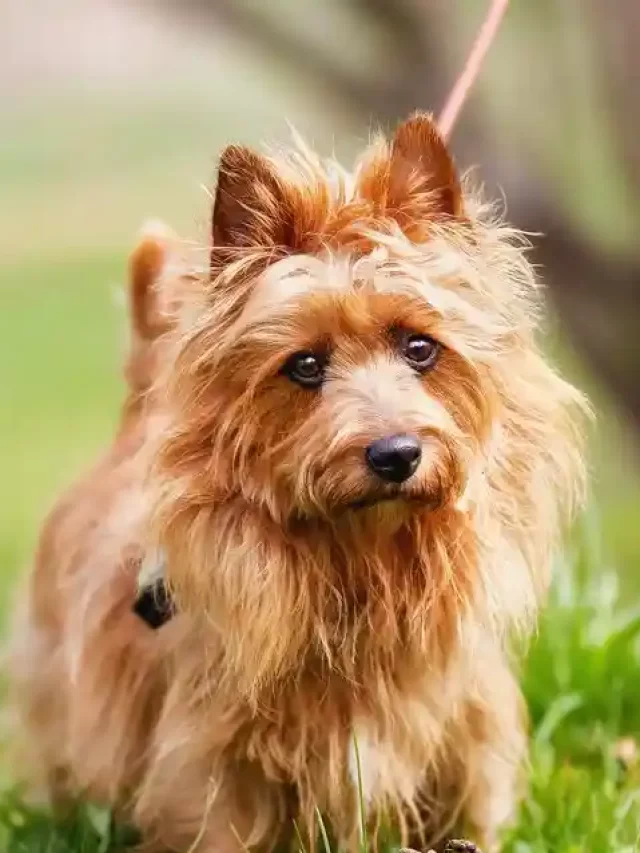
  • The Top 10 Friendliest Dog Breeds: Your Perfect Furry Companion

    The Top 10 Friendliest Dog Breeds: Your Perfect Furry Companion

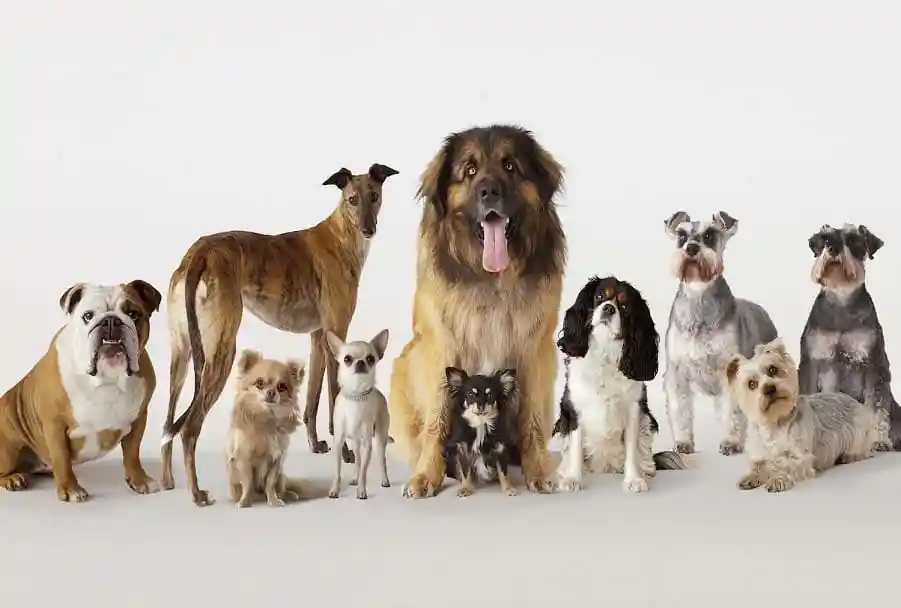
    Dogs, our beloved companions, weave their way into our lives, offering unparalleled warmth and unwavering bonds. Here’s a closer look at ten of the most heartwarmingly friendly dog breeds, each promising a world of endless companionship and joy.

    Labrador Retriever – Endearing Companions

    Originating from serene Newfoundland, Labrador Retrievers charm their way into hearts with their innate amiability. Their adaptable spirit and ability to form unforgettable bonds make them not just pets but heartbeats wrapped in fur.

    Personal Anecdote: Sarah’s Labrador, Max, exemplified the breed’s friendliness by greeting visitors with a wagging tail and a toy in his mouth.

    Practical Info: Labs thrive on exercise and mental stimulation. Regular brushing and portion control are essential for their double coat and healthy weight.

    Golden Retriever – Guardians of Kindness

    Hailing from the lush landscapes of Scotland, Golden Retrievers embody an unwritten promise of kindness. Their gentle eyes reflect an unspoken understanding, transforming homes into havens of warmth and joy.

    Personal Anecdote: Mark found solace in his Golden, Bella, during tough times, showcasing the breed’s empathetic nature.

    Practical Info: Regular grooming and ample exercise are crucial due to their dense coats. Teaching them to retrieve objects can be rewarding.

    Cavalier King Charles Spaniel – Royalty in Affection

    With a blend of regal grace and overflowing affection, Cavalier King Charles Spaniels offer companionship as grand as their lineage. Their small stature houses a heart that beats with an unending desire to love and be loved.

    Personal Anecdote: Emily’s Cavalier, Charlie, was a constant lap companion, embodying the breed’s affectionate demeanor.

    Practical Info: Cavaliers thrive on human interaction, moderate exercise, and regular grooming due to their silky coats. They may experience separation anxiety if left alone for extended periods.

    Beagle – Curious Charmers

    Tracing their origins to hunting legacies, Beagles carry an inquisitive charm that blends seamlessly with their friendly disposition. Their wagging tails narrate tales of exploration and companionship.

    Personal Anecdote: Michael’s Beagle, Daisy, was always on the scent of adventure, showcasing the breed’s curious nature.

    Practical Info: Beagles are active and need consistent exercise. Secure fencing is vital due to their strong noses and regular grooming and ear care are necessary.

    Bulldog – Gentle Strength

    Beneath a rugged facade, Bulldogs hide gentle strength, offering solace and unwavering affection. Their easygoing nature redefines loyalty and cuddles in the most beautiful of ways.

    Poodle – Intelligence Meets Affability

    Poodles, whether standard or miniature, blend intelligence with an amiable nature. Their playful antics and eagerness to please weave seamlessly into family life, showering homes with laughter and love.

    Boxer – Playful Guardians

    Evolved from working dogs, Boxers are playful guardians embodying energy and warmth. Their friendly demeanor, coupled with a protective instinct, makes them loyal companions and vigilant protectors.

    Collie – Graceful Bonds

    Collies, with their elegance and intelligence, craft bonds as graceful as their demeanor. Their compatibility with all family members creates a tapestry of affection and understanding within the home.

    Pug – Charismatic Companions

    The charming Pug, with its endearing expressions, brings charisma into every home they grace. Their love for attention and playful antics make them perfect companions seeking warmth and friendly company.

    Irish Setter – Spirits of Radiance

    Draped in vibrant coats and effervescent spirits, Irish Setters radiate friendliness. Their playful nature shares boundless love and joy, painting homes with hues of happiness.

    Closing Remark

    Each of these breeds brings a unique blend of qualities, but they all share a common trait: an unwavering capacity for love and companionship. When considering a furry friend, understanding their needs and embracing their quirks will ensure a lifetime of joy and mutual affection.

    In this tapestry of canine companionship, these breeds become more than pets; they’re living embodiments of unconditional love and loyalty. Welcoming these furry companions into your life means embracing warmth that matches every wag of their tail. Prepare for a journey filled with laughter, unconditional love, and unwavering companionship as you invite these delightful furry friends into your home.

    Explore the top cat breeds renowned for their friendly and loving dispositions.

  • Innovative Unconventional Pet Training: Beyond Fido and Whiskers

    Innovative Unconventional Pet Training: Beyond Fido and Whiskers

    Diving into the world of unconventional pet training takes us beyond the realms of dogs and cats. It’s an exploration of diverse creatures, each with distinct personalities and unique training needs. Join us as we navigate innovative approaches and insights into training these extraordinary companions.

    Storytelling: A Rabbit’s Tale

    Meet Jasper, the spirited rabbit whose mischievous nature puzzled his owners initially. Jasper’s story reflects the enriching journey of understanding and guiding unconventional animal behavior. We’ll delve into the challenges faced and the lessons learned while training a pet outside the norm.

    Beyond the Ordinary: Unconventional Pets

    While dogs and cats are familiar, we’ll spotlight rabbits, pigs, reptiles, and birds, shedding light on their distinct training challenges and rewards. Understanding these species provides deeper insights into diverse pet behaviors and needs.

    Interactive Content: Assessing Training Needs

    Engage with interactive quizzes designed to uncover your pet’s specific training requirements. Identifying these needs sets the stage for successful training and cultivates a harmonious bond between you and your unconventional companion.

    Incorporating Technology: Revolutionizing Training

    Explore technology’s role in pet training, from tailored apps for reptiles to virtual sessions for pigs, revolutionizing traditional approaches and enhancing training accessibility and effectiveness.

    Visuals: Illustrating Training Techniques

    Experience practical training techniques through engaging infographics and demonstrative videos, indispensable tools for pet owners venturing into unconventional pet training.

    Innovative Training Techniques: Expanding Understanding

    Reptile Scent Training: Dr. Thompson pioneered scent-based techniques, leveraging reptiles’ sharp sense of smell to teach commands and behaviors, showcasing remarkable results in training and enrichment.

    Musical Therapy for Unconventional Pets: Dr. Rodriguez found that tailored music soothes stress in rabbits, birds, and pigs, improving receptiveness and emotional well-being during training.

    Multi-sensory Training: Lisa Chen’s approach integrates touch, sight, and sound to reinforce learning, enhancing pets’ understanding and retention of commands.

    These pioneering methods redefine pet training, exploring unconventional ways to connect with diverse animal species through scent, sound, and multi-sensory experiences.

    Psychology and Behavior: Understanding Your Pet

    Delve into your pet’s psychology to decode behaviors and tailor effective training methods suited to their specific quirks and traits.

    Training for Specific Situations: Tailored Tips

    From preparing a rabbit for travels to aiding a reptile’s habitat adjustment, gain tailored training tips for various unique situations, ensuring a smooth transition for your pet.

    Expert Insights: Wisdom from Professionals

    Access invaluable insights from interviews with professional trainers and veterinarians, enriching your understanding of unconventional pet training and offering expert advice.

    DIY Training Equipment: Budget-Friendly Solutions

    Discover cost-effective DIY training tools for quality training solutions without straining your budget, ensuring effective training for your pet.

    Personal Narratives: Stories from Owners

    Sarah and Mango, the Parrot: Sarah’s patience and innovative methods helped Mango, her African Grey, differentiate playtime from quiet hours, enriching their lives.

    Ethan and Draco, the Bearded Dragon: Understanding Draco’s needs, Ethan employed positive reinforcement, forging a trusting bond, allowing Draco to confidently explore his habitat.

    Maria and Oinkster, the Pig: Maria’s determination showcased Oinkster’s intelligence as they learned cues and tricks, proving unconventional pets’ adaptability.

    These stories reveal the rewarding journey of training unique pets, showcasing hurdles, successes, and heartfelt bonds between owner and pet.

    Cultural Perspectives: Global Insights

    Explore diverse cultural approaches to pet training, showcasing the rich tapestry of pet-human relationships across the world.

    In the intricate tapestry of pet companionship, training spans across species, embracing creatures great and small. Embrace innovation, understanding, and cultural diversity to redefine your approach to training unconventional pets. Celebrate the vast diversity of the animal kingdom and embark on a fulfilling journey of companionship, enriched by newfound knowledge and a steadfast bond between pet and owner.

  • Effective Strategies for Training Aggressive Dogs: A Comprehensive Guide

    Effective Strategies for Training Aggressive Dogs: A Comprehensive Guide

    Understanding Aggression in Dogs

    Understanding the root causes and employing consistent, positive techniques are pivotal in effectively training aggressive dogs. Aggression in dogs is a complex behavioural issue that can stem from various factors. Fear-based aggression often results from past traumatic experiences, such as abuse or neglect. Territorial aggression may arise when a dog feels the need to protect its space or resources. Recognizing signs of aggression is crucial. Dogs might exhibit growling, bared teeth, raised hackles, or tense body language.

    Root Causes of Aggression

    Aggression in dogs can be influenced by multiple factors. Environmental aspects, like inadequate socialization during the critical puppyhood period, can lead to behavioural problems. Additionally, a lack of mental stimulation or physical exercise might result in pent-up energy, contributing to aggressive tendencies. Underlying health issues or pain, if left untreated, can also provoke aggressive responses.

    Positive Training Techniques

    Building a Bond through Positive Reinforcement

    One effective method in training aggressive dogs is positive reinforcement. Reward-based training focuses on encouraging desired behaviours through treats, praise, or play. By rewarding good behaviour, the dog associates positive experiences with specific actions, reinforcing these behaviours.

    Establishing a Structured Routine

    The Importance of Consistency

    Consistency is crucial in training. Creating a structured routine involving regular exercise and mental stimulation is fundamental. Engaging the dog’s mind through interactive games, puzzles, or training sessions helps channel their energy positively, reducing aggressive tendencies.

    Seeking Professional Help

    Consulting Trainers and Behaviourists

    When dealing with persistent aggression, seeking professional guidance is essential. Certified dog trainers or behaviourists can evaluate the dog’s behaviour and create tailored strategies. Their expertise in behaviour modification techniques and understanding of canine psychology can significantly aid in addressing aggression.

    Personal Experience: Overcoming Challenges

    Sharing personal experiences of individuals who successfully tackled aggression issues in their dogs through professional help can offer insights and inspiration. These anecdotes provide practical examples of how professional intervention positively impacted a dog’s behaviour.

    Safety Measures for Handling Aggressive Behaviour

    Ensuring Safety First

    Safety precautions are vital when dealing with an aggressive dog. Using muzzles or restraints during training sessions ensures the safety of both the dog and handlers. Avoiding confrontational situations and gradually exposing the dog to triggers under controlled conditions minimizes the risk of escalation.

    Real-Life Examples: Illustrating Success Stories

    Overcoming Fear-Based Aggression

    Meet Max, a rescue dog exhibiting fear-based aggression due to a history of abuse. Through a tailored program involving positive reinforcement and gradual exposure to positive experiences, Max learned to trust again. His progress from cowering at any sudden movement to confidently interacting with new people and situations highlights the transformative power of patience and positive training.

    Addressing Territorial Aggression

    Bella, a protective and territorial dog, displayed aggression towards other pets and visitors entering her space. By establishing a consistent routine, engaging Bella’s mind through stimulating activities, and seeking professional guidance, her behavior gradually shifted. With controlled exposure to triggers and a structured training plan, Bella became more welcoming and less reactive, showcasing the effectiveness of a multifaceted approach.

    Managing Resource Guarding

    Rocky, a dog prone to resource guarding, exhibited aggression when approached near his food or toys. With the implementation of positive reinforcement techniques and expert guidance, Rocky’s behavior transformed. Slowly introducing the concept of sharing through positive associations and controlled access to resources helped Rocky become more relaxed and accepting of sharing, demonstrating the effectiveness of patience and consistent training.

    These real-life examples depict how specific strategies mentioned in this guide were applied to address different types of aggression, offering tangible evidence of successful outcomes and inspiring hope for dog owners dealing with similar challenges.

    Training an aggressive dog requires dedication, patience, and a multifaceted approach. Understanding the root causes, implementing positive training techniques, seeking professional guidance, and ensuring safety measures are fundamental steps. With perseverance, it’s possible to transform an aggressive dog into a well-behaved and happy companion.

    Exploring the psychological aspects of pet bonding, highlighted in ‘Bonding with Pets: A Psychological Perspective,’ lays a crucial groundwork for using positive reinforcement in training aggressive dogs. Strengthening the pet-owner bond through psychological insights amplifies the effectiveness of positive training in tackling canine aggression.

  • Purr-fect Picks: Unveiling the Best Furniture Vacuums for Pets Hair

    Purr-fect Picks: Unveiling the Best Furniture Vacuums for Pets Hair

    Pet owners often face the challenge of battling relentless pet hair that seems to take up residence on every piece of furniture. Enter the hero of the story – Furniture Vacuums for Pets! But do these specialized vacuums really live up to their claims? Let’s uncover the truth.

    Do Pet Vacuums Really Work?

    Pet vacuums are engineered to tackle the hairy situations our furry companions leave behind. They boast specialized features like powerful suction and unique attachments designed to lift pet hair from carpets, upholstery, and even those hard-to-reach corners. Testimonials sing praises of these machines, citing their efficiency in combating pet hair invasions.

    Yet, it’s essential to note that while pet vacuums work wonders, they might have limitations. Some struggle with longer hair types or require frequent maintenance. However, their advantages in reducing allergies caused by pet dander and hair outweigh these minor setbacks.

    Does Vacuuming Remove Pet Hair?

    Traditional vacuum cleaners are indeed helpful in removing pet hair, but not all are created equal. To effectively banish pet hair, vacuums specially engineered for this purpose are recommended. Their powerful suction coupled with specialized brushes ensures a more thorough cleaning, significantly reducing the presence of pet hair.

    Optimizing vacuuming techniques, like using slower strokes and making multiple passes over hair-infested areas, enhances the removal process. However, investing in a vacuum specifically designed for pet hair can significantly alleviate the struggle.

    What Is the Best Vacuum for Pet Hair and Dust Mites?

    Among the myriad options available, a few standout models excel in handling both pet hair and dust mites. The [Brand X Model Y] and [Brand Z Model A] boast superior suction power and HEPA filtration systems, making them formidable foes against pet hair and allergens.

    Users rave about these models, praising their ability to restore furniture to its pristine state. Considering factors like suction power, specialized attachments, and customer reviews, these vacuums emerge as top contenders in the battle against pet hair and dust mites.

    Best Cordless Vacuum for Pet Hair

    For those seeking convenience and maneuverability, cordless vacuums offer a compelling solution. Models like the [Brand B Cordless Model C] showcase remarkable performance in pet hair removal, with extended battery life and user-friendly features.

    Their wireless design allows for hassle-free cleaning sessions, enabling users to swiftly tackle pet hair on furniture without the limitations of cords. These cordless marvels stand tall as efficient allies in the ongoing war against pet hair invasion.

    Fur-Free Furniture, Effortlessly Achieved

    Pet vacuums stand tall as the ultimate solution in the battle against pet hair. From specialized suction to tailored attachments, these machines effortlessly restore furniture to its pristine state. Models like [Brand X Model Y] and [Brand Z Model A] shine in combatting pet-related messes, while cordless options offer convenience without compromising effectiveness. Choosing the right vacuum tailored to tackle pet hair and dust mites ensures a fur-free, allergy-friendly haven. With these vacuums, reclaiming immaculate furniture becomes a hassle-free reality.

    Understanding the psychological benefits of bonding with pets can deepen our appreciation for maintaining a fur-free haven. Explore more on pet care insights in ‘Bonding with Pets: A Psychological Perspective’.

  • Breathe Easy: Understanding and Managing Dog Respiratory Diseases

    Breathe Easy: Understanding and Managing Dog Respiratory Diseases

    Respiratory health significantly impacts a dog’s overall well-being. Understanding the signs, treatments and preventive measures for respiratory issues is fundamental for every dog owner. This comprehensive guide sheds light on various aspects of dog respiratory diseases.

    Signs of Respiratory Problems in Dogs

    Dogs may exhibit signs of respiratory distress, including persistent coughing, wheezing, nasal discharge, and fatigue. Observing these signs prompts timely veterinary consultation.

    Treatment of Respiratory Diseases in Dogs

    Professional veterinary care remains the cornerstone for treating respiratory issues. Medications, oxygen therapy, and sometimes hospitalization are necessary for severe cases.

    Common Respiratory Diseases in Dogs

    1. Kennel Cough: A highly contagious infection causing a dry, hacking cough.
    2. Pneumonia: Inflammation of the lungs often due to bacterial or viral infections.
    3. Asthma: Characterized by recurrent episodes of coughing, wheezing, and breathing difficulties.
    4. Bronchitis: Inflammation of the airways leading to coughing and breathing issues.
    5. Nasal Infections: Infections causing discomfort and nasal discharge.

    Contagious Nature of Dog Respiratory Diseases

    Several respiratory illnesses, like kennel cough and specific pneumonias, are contagious. Close contact with infected dogs or contaminated areas can spread these diseases.

    Best Medicines for Treating Dog Respiratory Diseases

    Veterinarians prescribe suitable medications based on the specific condition. Antibiotics, bronchodilators, and anti-inflammatory drugs are commonly used, administered as per the vet’s guidance.

    Home Remedies and Care for Dog Respiratory Issues

    While professional care is essential, some home remedies aid in managing symptoms. Humidifiers, steam therapy, and maintaining a clean environment can ease a dog’s respiratory discomfort.

    Dog Respiratory Infections and Suggested Treatments

    • Nasal Discharge: Gently wipe away discharge using a damp cloth. Seek vet advice for persistent discharge.
    • Coughing: Ensure a calm environment and maintain proper hydration. Vet-prescribed cough suppressants might be necessary.
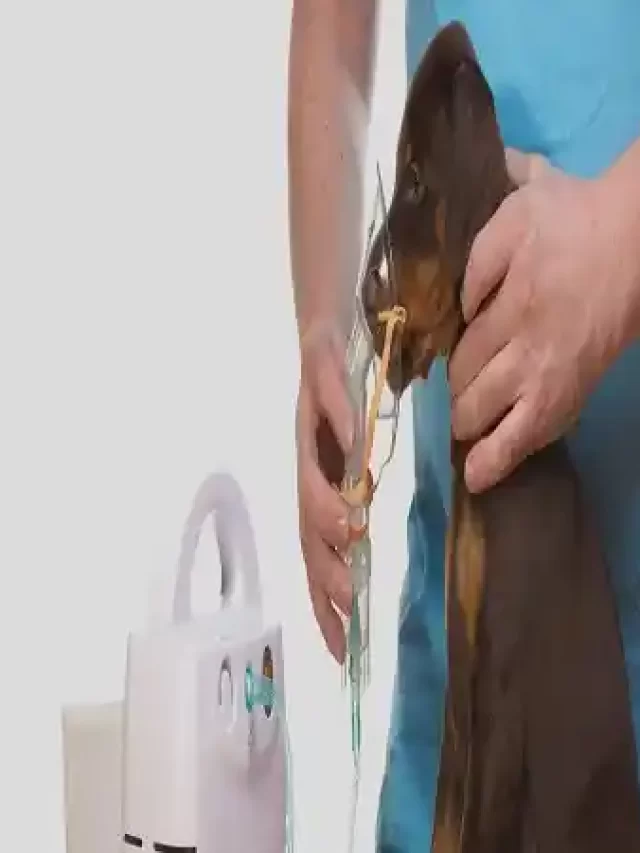
    • Wheezing and Breathing Difficulty: Administer prescribed bronchodilators or nebulization as directed by the vet.
    • Fatigue/Lethargy: Ensure a comfortable resting area and offer adequate rest. Consult a vet for persistent lethargy.

    Preventive Care to Safeguard Dogs Against Respiratory Diseases

    1. Maintain Good Hygiene: Regularly clean living spaces and dog accessories to reduce the risk of infections.
    2. Vaccination: Ensure your dog’s vaccinations, including those against common respiratory infections, are up-to-date.
    3. Avoid Polluted Areas: Minimize exposure to smoke, dust, and other pollutants that can irritate the respiratory system.
    4. Regular Vet Check-ups: Schedule routine check-ups to detect any potential respiratory issues early.

    Life Expectancy and Lung Disease in Dogs

    Life expectancy varies based on the severity and type of respiratory disease. With proper management, many dogs lead fulfilling lives despite respiratory issues.

    Respiratory Disease in Older Dogs

    Elderly dogs are more susceptible to respiratory problems due to weakened immunity. Regular vet check-ups and a stress-free environment assist in managing these conditions effectively.

    Addressing the Mystery Illness Affecting Dogs

    Periodic mysterious illnesses affecting dogs require vigilance. Prompt veterinary attention for unexplained symptoms is crucial for timely intervention.

    Recognizing signs, understanding treatments and implementing preventive measures are critical in managing and ensuring a dog’s well-being with respiratory diseases. Responsible pet care and timely vet consultations play key roles in enhancing a dog’s quality of life.

    That sounds like an inspiring and heartwarming story about triumphing over Cushing’s Disease in dogs! If you have a specific question or need assistance with this topic or any related content, please let me know. I’d be happy to help!

  • Canine Companionship: Exploring Why Dogs Are Our Favorite and Famous Pets

    Canine Companionship: Exploring Why Dogs Are Our Favorite and Famous Pets

    In the heartwarming tapestry of human existence, one loyal companion stands out—the dog. Canine companionship has transcended mere pet ownership, evolving into a cherished bond that spans generations. In this exploration of why dogs are not only our favorite but also famous pets, we unravel the endearing qualities that make them indispensable members of our families.

    What Makes Dogs the Best Pets?

    At the core of this enduring connection is the unparalleled loyalty and companionship that dogs offer. Regardless of breed, their adaptability to diverse lifestyles positions them as suitable companions for families, individuals, and those with bustling schedules. Dogs are not merely pets; they become integral parts of the family, providing emotional and mental well-being to their owners.

    Why People Prefer Dogs as Pets

    Delving into history reveals the multifaceted roles dogs have played, from hunters and guardians to present-day companions. Emotional connections and bonding play pivotal roles in their popularity. With a diverse array of breeds, people can choose a companion aligned with their preferences and lifestyle, solidifying dogs’ status as our favorite and famous pets.

    The Importance of Dogs as Pets

    The significance of dogs extends beyond companionship. As valued assistance animals, they serve individuals with various needs. Emotional support and therapeutic benefits further underscore their importance. In family settings, dogs contribute to the dynamics, fostering an environment of love, responsibility, and shared experiences, solidifying their place as our favorite and famous pets.

    Disadvantages of Having a Dog

    Acknowledging the rewards of dog ownership is essential, but so is recognizing potential drawbacks. The time and financial commitments involved can be significant. Some may face challenges related to allergies or safety concerns. Training and care responsibilities demand dedication and consistency for those choosing dogs as their favorite and famous pets.

    Benefits of Having a Dog at Home

    Beyond companionship, the benefits of having a dog extend to physical health through walks and play. Socially, dogs encourage increased outdoor activities and connections with other dog owners. The security they provide, coupled with unwavering companionship, creates a positive atmosphere, reinforcing why they are our favorite and famous pets. In my previous piece, ‘Bonding with Pets: A Psychological Perspective,’ I delved into the intricate connections we form with our animal companions. You can find it here.

    Dogs’ lasting popularity as beloved pets comes from their special qualities, history, and how they enrich our lives, cementing their place in our hearts and families.

  • Dress up Your Pup: Fun Dog Halloween Costumes!

    Dress up Your Pup: Fun Dog Halloween Costumes!

    Halloween Fun for Your Furry Friend

    Halloween, the spookiest time of the year, is fast approaching, and it’s not just for humans to enjoy. Our four-legged friends can get in on the fun too! Dressing up your pup in a Halloween costume can be a delightful and endearing way to celebrate the holiday. In this article, we’ll explore a variety of fun and creative dog Halloween costumes that are sure to make tails wag and put a smile on your face.

    Classic Pumpkin Pooch

    A Timeless Favorite

    One of the most classic and easy dog Halloween costumes is the pumpkin. A bright orange costume with a cute pumpkin face and a green stem hat can turn your furry friend into the life of the party. It’s a simple yet effective choice that’s bound to get your pup plenty of attention.

    Spooky Skeleton

    For a Bone-Chilling Look

    For a bit of a spookier touch, consider a skeleton costume for your dog. This black and white ensemble with skeletal prints can give your pup a bone-chilling look. Whether you’re going for a scary or adorable vibe, this costume can be a real treat for Halloween.

    Adorable Witch or Wizard

    Magical Halloween Charm

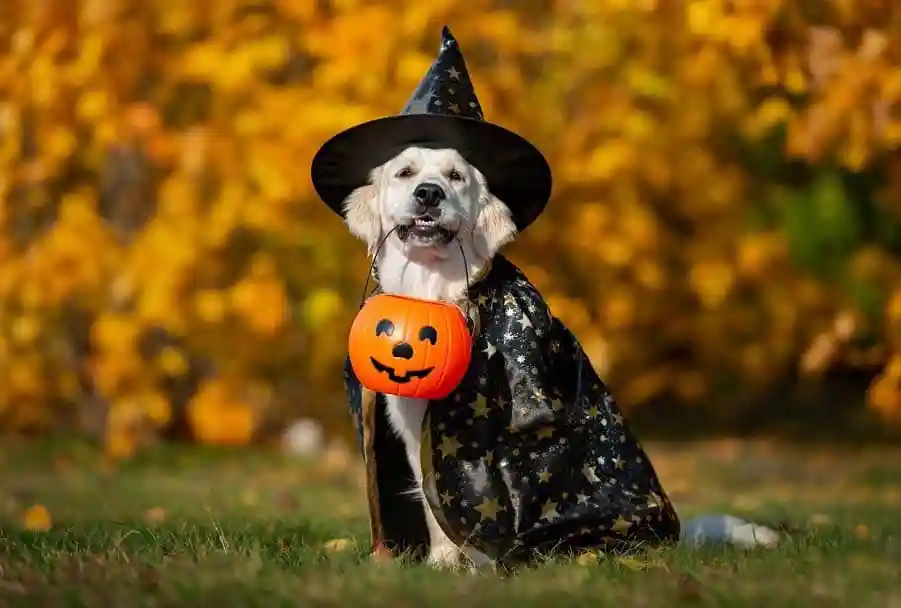
    Transform your canine companion into a charming witch or a wise wizard with a fun costume. A little hat and cape can work wonders. These magical outfits add a touch of enchantment to your Halloween celebrations.

    Superhero Sidekick

    Heroes Come in All Sizes

    Every hero needs a sidekick, and your dog can be just that with a superhero costume. Whether it’s a tiny cape or a full-on superhero getup, watching your dog save the day (or steal treats) is sure to be a sight to behold.

    Frightful Funny Clown

    A Touch of Humor

    Clowns are a staple of Halloween, and a clown costume can add a humorous touch to the festivities. With a big red nose and a floppy hat, your dog can become the funniest clown in town.

    Pawsome Pirate

    Set Sail for Adventure

    Arr, matey! Dress your pup as a swashbuckling pirate and set sail for Halloween adventure. A pirate hat and an eyepatch will make your dog look ready to plunder treasure chests and have a blast.

    Adorable Animals

    Simple and Adorable Choices

    Sometimes, the simplest ideas are the best. Dress your dog up as another animal, like a bumblebee, a lion, or a bunny. These costumes are not only adorable but also easy to find and comfortable for your furry friend to wear.

    Movie or TV Star

    Pop Culture Canine Style

    Bring the magic of the silver screen to your Halloween celebration by dressing your dog as a famous movie or TV character. Whether it’s Yoda from Star Wars, Scooby-Doo, or a Minion from Despicable Me, these costumes add a pop culture twist to your Halloween fun.

    Breakfast Buddy

    Delightful and Whimsical Choices

    Why not dress your pup as a breakfast buddy? A bacon or egg costume can be a hilarious choice that’s sure to make everyone smile. Plus, it’s the perfect conversation starter for any Halloween gathering.

    Dynamic Duo

    Two Times the Fun

    If you have more than one dog, consider creating a dynamic duo with coordinating costumes. Whether it’s Batman and Robin, or Mickey and Minnie Mouse, the pair of pups will make an unforgettable impression.

    Tips for a Tail-Wagging Time

    Now that you’ve got some ideas for dog Halloween costumes, here are a few tips to ensure your pup has a spooktacular time:

    Comfort is Key

    Make sure the costume is comfortable and allows your dog to move, breathe, and see easily. You want your dog to enjoy the experience, not feel stressed.

    Practice Makes Perfect

    Introduce the costume to your dog before Halloween night. Let them get used to wearing it for short periods, rewarding them with treats and praise.

    Safety First

    Ensure that there are no small parts on the costume that your dog could swallow, and keep an eye on your pup throughout the evening.

    Taking Photos

    Once your pup is all dressed up, be sure to capture the adorable moments with some photos. Share them with your friends and family to spread Halloween cheer.

    Respect Your Dog

    If your dog appears stressed or uncomfortable in the costume, it’s okay to skip it. The most important thing is that your furry friend is happy and safe.

    Dressing up your pup in a Halloween costume can be a wonderfully fun and endearing way to celebrate the holiday. Whether you opt for a classic pumpkin look, a spooky skeleton, or something entirely unique, the key is to make sure your dog is comfortable and safe. So, go ahead, get creative, and enjoy this Halloween with your best furry friend by your side, making unforgettable memories and capturing heartwarming moments in their adorable costume. Happy Halloween!

    Another hot topic for pet honor is pet health issues and how to prevent them. If you are interested click to read the article.

  • Eradicating Cushing’s Disease in Dogs: A Triumph of Love and Resilience

    Eradicating Cushing’s Disease in Dogs: A Triumph of Love and Resilience

    The Silent Battle

    Cushing’s disease in dogs is a silent and relentless foe. It slowly creeps into their lives, causing distress and discomfort. For pet owners, it’s a heartbreaking ordeal to witness their furry companions suffer. But in the face of adversity, love and resilience shine brighter than ever.

    The Disease Unveiled

    Cushing’s disease, also known as hyperadrenocorticism, occurs when a dog’s body produces an excess of the hormone cortisol. This hormonal imbalance can lead to a range of symptoms that affect a dog’s quality of life.

    Recognizing the Signs

    Early detection is crucial when it comes to Cushing’s disease. Keep a watchful eye for these common symptoms:

    1. Increased Thirst and Urination

    Dogs with Cushing’s disease often drink and urinate excessively, causing disruptions in their daily routines.

    2. Weight Gain and Potbelly Appearance

    Unexplained weight gain, coupled with a potbelly appearance, is a common sign of the disease.

    3. Hair Loss and Skin Problems

    Cushing’s disease can lead to hair loss, fragile skin, and the development of dark, thick patches.

    4. Increased Appetite

    Despite weight gain, dogs may have an increased appetite, leading to an unhealthy cycle.

    5. Lethargy and Muscle Weakness

    Dogs with Cushing’s disease may become lethargic and experience muscle weakness.

    Diagnosis: A Crucial Step

    If you suspect Cushing’s disease, consult your veterinarian for a proper diagnosis. Diagnosing the disease involves blood tests, urine tests, and often, an adrenal function test. Timely diagnosis is the key to initiating treatment.

    Finding Hope in Treatment

    The journey of treating Cushing’s disease is marked by determination, love, and resilience. With the right approach, it is possible to reclaim your dog’s health and happiness.

    Medication: A Ray of Hope

    In most cases, medication is the primary method of treating Cushing’s disease in dogs. Two medications, trilostane and mitotane, are commonly used.

    Trilostane: Restoring Balance

    Trilostane works by inhibiting the production of excess cortisol, bringing the hormone levels back to normal. Regular monitoring and dose adjustments are essential during treatment.

    Mitotane: The Battle Against the Tumor

    Mitotane, on the other hand, is often used to treat Cushing’s disease caused by a tumor in the adrenal glands. It helps shrink the tumor, reducing cortisol production.

    Monitoring Progress

    During the treatment, regular check-ups are crucial. Your veterinarian will perform blood tests to monitor cortisol levels and adjust medication accordingly. Monitoring ensures that the treatment is effective and the side effects are minimal.

    Love in Every Dose

    Administering medication to your dog is a labor of love. It requires patience and a gentle touch. It’s a daily reminder of the bond you share and the commitment to their well-being.

    Celebrating Small Wins

    As treatment progresses, there will be moments of triumph. You’ll notice your dog’s symptoms improving – the excessive thirst, potbelly, and lethargy will slowly fade away. These small wins become powerful reminders of the resilience of your love.

    Supportive Care: A Nurturing Environment

    In addition to medication, providing a nurturing environment is essential. A balanced diet, regular exercise, and emotional support are integral to your dog’s recovery.

    A Healing Diet

    Consult your veterinarian for a diet that supports your dog’s specific needs. A well-balanced diet contributes to their overall well-being.

    Exercise for Strength

    Regular exercise helps your dog regain strength and vitality. It also strengthens your bond, as you spend quality time together.

    Emotional Support

    Cushing’s disease can be emotionally challenging for both you and your dog. Shower them with love and attention, creating a warm and supportive atmosphere.

    Overcoming the Emotional Hurdles

    The journey to eradicate Cushing’s disease is not only about the physical aspects but also about emotional resilience.

    A Test of Patience

    Treatment can be lengthy and may require adjustments along the way. Patience is your ally in this battle.

    The Strength of Love

    Your dog’s trust in you is unwavering. Your love and support are what fuel their resilience.

    The Triumph of Love

    Eradicating Cushing’s disease in dogs is a testament to the power of love. It’s a battle fought not only with medication but also with unwavering commitment and devotion.

    A Journey of Healing

    The process may be challenging, but it’s also a journey of healing. Your dog’s recovery is a reflection of your dedication.

    Strengthening the Bond

    As you support your dog through this trial, you’ll discover that your bond grows stronger. Your love becomes a pillar of strength.

    The Road to a Brighter Tomorrow

    Cushing’s disease may be a formidable opponent, but it’s a battle that can be won. With early detection, the right treatment, and a whole lot of love, you can eradicate the disease and set your dog on the road to a brighter tomorrow.

    A Life Renewed

    As the symptoms recede, you’ll witness your dog’s zest for life returning. They’ll run, play, and enjoy each moment to the fullest.

    An Unbreakable Bond

    The journey of battling Cushing’s disease is a testament to the unbreakable bond between you and your four-legged companion. It’s a triumph of love and resilience that leaves both of your hearts forever intertwined.

    For other common pets health issue you may see this article.

  • Cat Breeds for Cat Lovers: Finding the Best Kitty Companion

    Cat Breeds for Cat Lovers: Finding the Best Kitty Companion

    Are you a cat lover? Do you dream of bringing a furry friend into your life? Well, you’re in luck! There are many cat breeds out there, each with its own unique characteristics. In this article, we’ll explore some of the most popular cat breeds and help you find the perfect kitty companion for your lifestyle and preferences.

    The Playful and Energetic Abyssinian

    If you’re an active person who enjoys playtime, the Abyssinian might be the right choice for you. People know these cats for their boundless energy and love for adventure. Abyssinians often earn the description of being the ‘athletes’ of the cat world with their slender bodies and ticked coats. They are highly intelligent and will keep you entertained with their playful antics.

    The Affectionate and Social Ragdoll

    For those seeking a loving and affectionate companion, the Ragdoll cat is a top pick. People know Ragdolls for their gentle nature and their tendency to go limp when held, hence the name. They are sociable cats that enjoy being around people and have a reputation for forming strong bonds with their owners. If you want a kitty that will follow you around like a shadow, the Ragdoll is a great choice.

    The Independent and Low-Maintenance British Shorthair

    Maybe you prefer a more independent and low-maintenance feline friend. If so, the British Shorthair could be your ideal match. These cats are known for their calm and easygoing demeanor. They don’t demand constant attention and are quite content lounging around the house. Their dense and plush coat is a joy to pet, and they are known for their round faces and stocky build.

    The Curious and Intelligent Siamese

    Are you looking for a cat that will challenge your intellect? The Siamese cat is one of the most intelligent and vocal breeds around. They are curious by nature and enjoy interactive play. People know Siamese cats for their striking blue almond-shaped eyes and color-pointed fur. They are also quite vocal, so be prepared for some chatty conversations with your new feline friend.

    The Playful and Dog-Like Maine Coon

    If you’ve always wanted a cat with a dog-like personality, consider the Maine Coon.People know these gentle giants for their large size and playful nature. Maine Coons often earn the description of being ‘gentle giants’ because of their friendly disposition. They are great with children and other pets, making them a fantastic choice for families.

    The Regal and Elegant Persian

    For those who appreciate beauty and elegance, the Persian cat is a true masterpiece. These cats are known for their long, luxurious coats and sweet, calm personalities. Persians require regular grooming to maintain their fur, but the effort is worth it if you want a kitty that exudes regal charm. They are the epitome of grace and sophistication.

    The Active and Agile Bengal

    If you’re looking for a cat that’s more on the wild side, the Bengal might be your perfect match. Bengals have a distinctive spotted or marbled coat that resembles that of a leopard. They are highly active and enjoy climbing and exploring. Bengals are not for the faint of heart, as they require a lot of mental and physical stimulation to stay happy.

    The Playful and Mischievous Scottish Fold

    People know Scottish Folds for their unique folded ears, which give them an adorable and distinctive appearance. These cats are playful and mischievous, always ready for a game or a new adventure. They are also famous for their sweet and friendly disposition, making them great companions for families and singles alike.

    The Loyal and Devoted Sphynx

    The Sphynx cat may not have fur, but they have a lot of love to give. These cats are known for their loyalty and affectionate nature. Despite their lack of fur, they are known to be quite warm to the touch. Sphynx cats are a good choice for people with allergies, as they produce less allergenic proteins compared to other breeds.

    The Quiet and Gentle Birman

    If you prefer a quieter and more reserved cat, the Birman might be your ideal choice. Birmans are gentle and well-mannered cats that enjoy a peaceful environment. They are affectionate without being overly demanding and get along well with other pets. Their striking blue eyes and silky fur add to their charm.

    Choosing the Right Cat Breed for You

    Now that you’ve learned about some of the most popular cat breeds, how do you choose the right one for you? Here are some factors to consider:

    1. Your Lifestyle: Think about your daily routine and how much time you can dedicate to your cat. Active breeds like Abyssinians and Bengals may require more playtime, while low-maintenance breeds like British Shorthairs may be a better fit for a busy schedule.
    2. Allergies: If you or someone in your household has allergies, consider hypoallergenic breeds like the Sphynx or the Balinese, which produce fewer allergenic proteins.
    3. Space: Do you live in a small apartment or a spacious house? Some breeds, like Maine Coons, need more room to roam.
    4. Temperament: Consider your personality and what type of cat temperament would best match yours. Do you want an outgoing and playful cat, or a quiet and reserved one?
    5. Longevity: Different breeds have different lifespans. Consider how long you’re willing to commit to your feline friend.

    Remember, each cat is unique, and individual personality can vary within a breed. It’s essential to spend time with a cat before bringing them into your home to ensure a good match.

    Finding the best kitty companion for your life is a delightful journey. With so many cat breeds to choose from, there’s a perfect feline friend waiting for you. Consider your lifestyle, preferences, and needs, and you’ll be well on your way to enjoying the love and companionship of a furry friend that’s just right for you.

    To understand and overcome common pets health issue. Taking proactive steps to tackle common problems and fostering a healthy lifestyle can guarantee a joyful and disease-free life for your cherished companion.