
Category: Technology

  • Cosmic Wonders: Space Science’s Quest for Knowledge

    Cosmic Wonders: Space Science’s Quest for Knowledge

    Unveiling the Cosmos

    Humans have always been curious about the universe that surrounds us. The night sky, adorned with stars and planets, has sparked our imagination for generations. Space science is the key to satisfying this curiosity, as it embarks on an exciting journey to uncover the cosmic wonders of the universe.

    Exploring Beyond Earth

    Reaching for the Stars

    Space science isn’t just about peering through telescopes; it’s about getting out there and exploring. Scientists send spacecraft and telescopes into space to help us understand the vast expanse beyond Earth’s atmosphere. These tools act as our eyes and ears in the great cosmic unknown.

    Unravelling the Secrets of Our Solar System

    Probing the Planets and Moons

    Our solar system, with its planets, moons, and asteroids, is a central focus of space science. Missions like NASA’s Mars rovers and the New Horizons spacecraft have provided invaluable insights. These missions have taken us on a journey to Mars, Pluto, and beyond, revealing the remarkable diversity within our celestial neighbourhood.

    Studying the Stars and Galaxies

    Peering into the Universe

    Beyond our immediate surroundings, space scientists turn their gaze toward the stars and galaxies. Telescopes like the Hubble Space Telescope have captured breathtaking images of distant galaxies, shedding light on their formation and evolution. This exploration has given us a clearer understanding of where we fit into the cosmic puzzle.

    The Quest for Extraterrestrial Life

    Hunting for Aliens

    One of space science’s most thrilling pursuits is the search for extraterrestrial life. Researchers are diligently studying the potential habitability of distant planets and moons, searching for signs of life beyond Earth. While we haven’t found definitive evidence yet, the search continues, and the possibilities are tantalising.

    Space Telescopes: Our Cosmic Observers

    Eyes on the Universe

    Space telescopes play a crucial role in space science, allowing us to observe the universe from vantage points beyond Earth’s atmosphere. These incredible instruments have provided some of the most iconic and profound images of distant celestial objects, revolutionising our understanding of the cosmos.

    Space Missions: Expanding Our Horizons

    Journeys to the Unknown

    Space missions are at the heart of space science’s quest for knowledge. These missions involve sending spacecraft to investigate planets, moons, and distant asteroids. They enable us to gather data and images that teach us more about our solar system and the wider universe.

    Space Probes: Bringing the Universe Closer

    Close Encounters with Celestial Bodies

    Space probes are like cosmic travellers, venturing into the great beyond to make close encounters with celestial bodies. They gather data and send it back to Earth, helping us understand the composition, atmosphere, and geological features of planets and moons in our solar system.

    The International Space Station: A Platform for Discovery

    A Collaborative Space Lab

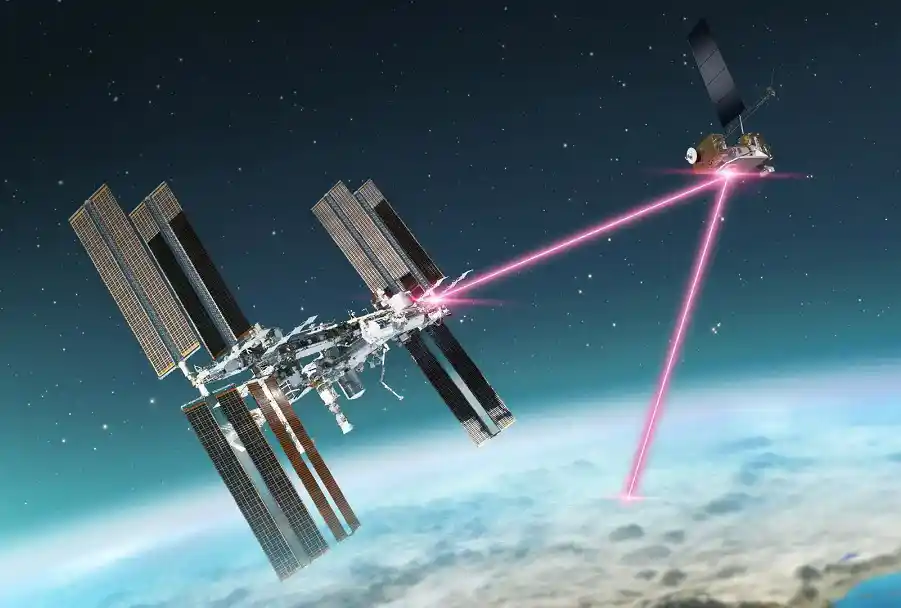
    The International Space Station (ISS) is a testament to international collaboration in space science. It serves as a laboratory for conducting experiments and research in micro gravity. Astronauts aboard the ISS contribute to our understanding of how the human body responds to extended space travel and help develop technologies for future missions.

    Astrophysics: Unravelling the Laws of the Universe

    The Science of the Stars

    Astrophysics is a fundamental branch of space science that focuses on understanding the laws governing the universe. Astrophysicists study the properties and behaviour of celestial objects, from the smallest particles to the largest galaxies, helping us comprehend the universe’s intricate workings.

    The Search for Dark Matter and Dark Energy

    Unseen Forces Shaping the Cosmos

    Two enigmatic mysteries that captivate astrophysicists are dark matter and dark energy. While they cannot be seen directly, their effects on the universe are profound. Researchers are on a quest to uncover their nature and understand their role in the evolution of the cosmos.

    Black Holes: The Cosmic Mysteries

    Gravity’s Ultimate Expression

    Black holes are some of the most enigmatic objects in the universe. They possess an intense gravitational pull that not even light can escape. Space science endeavors to study these cosmic marvels, shedding light on their formation and the incredible phenomena they create.

    Space Science: An Ever-Evolving Journey

    Continuing the Quest

    Space science is an ever-evolving journey that continues to amaze and inspire us. With each mission, discovery, and breakthrough, we inch closer to unraveling the profound mysteries of the cosmos. Our quest for knowledge in the realm of space science not only enriches our understanding of the universe but also sparks our imagination and fuels our curiosity about the cosmic wonders that await discovery.

  • Mastering Cyber security: Protecting Your Digital World

    Mastering Cyber security: Protecting Your Digital World

    In our increasingly digital world, the concept of cyber security might seem complex, but at its core, it’s all about protecting your digital life. Let’s unravel the mysteries of cyber security and discover how it plays a crucial role in safeguarding your online presence.

    1. The Essence of Cyber security

    a. What is Cyber security?

    Simply put, cyber security involves safeguarding your digital world from unauthorised access and malicious attacks. It’s like putting locks on your doors and windows to protect your home.

    b. Why is it Important?

    Imagine a world where your personal information, such as passwords, credit card details, and private messages, was accessible to anyone with ill intentions. Cyber security prevents such scenarios by keeping your digital life secure.

    2. Common Cyber Threats

    a. The Sneaky Malware

    Malware, which stands for malicious software, is like a digital virus. It can infect your devices, steal your data, and even demand a ransom to release it. Think of it as a cunning intruder trying to break into your home.

    b. Beware of Phishing

    Phishing attacks are like baiting traps. Cyber criminals send deceptive emails or create fake websites that look real to trick you into revealing sensitive information. It’s like a scam artist trying to con you.

    c. The Deluge of DDoS Attacks

    DDoS attacks flood a website or network with traffic, making it unavailable. Think of it as a massive traffic jam on a highway, causing inconvenience and chaos for online services.

    3. Cyber security Heroes: The Experts

    a. Cyber security Professionals

    These are the digital guardians who protect your online world. They analyse vulnerabilities, devise protective strategies, and respond swiftly to cyber threats, just like a security team guarding a fortress.

    b. Ethical Hackers

    Ethical hackers are like friendly spies. They help organisations by attempting to breach their defences, finding weaknesses, and fixing them. It’s like hiring a locksmith to check your door locks.

    4. Armor for Digital Warriors: Preventive Measures

    a. Supercharge Your Passwords

    Creating strong, unique passwords and enabling two-factor authentication is your digital armor. It’s akin to having an unbreakable lock on your front door.

    b. Keep Your Software Updated

    Regularly updating your operating system and software is like fixing holes in your home’s fence. These updates often contain security patches that keep cyber intruders out.

    c. Train Your Digital Warriors (Yourself!)

    Education is key. Training yourself to recognise phishing attempts and follow cyber security best practices is like learning self-defence techniques to protect yourself.

    d. Fortify Your Digital Walls

    Firewalls, intrusion detection systems, and encryption act as your digital fortress walls. They protect your data from prying eyes and unauthorised access.

    5. The Future of Cyber security

    a. AI and Cyber security

    Artificial Intelligence (AI) and machine learning are the future of cyber security. They identify unusual patterns and alert you to potential threats, acting like digital bodyguards.

    b. Quantum Computing

    Quantum computing, while promising, also poses a threat to current encryption methods. Cyber security experts are working on quantum-resistant encryption, ensuring your data remains secure.

    c. The Internet of Things (IoT) Challenge

    With the proliferation of smart devices, securing your smart home, car, and gadgets becomes crucial. Think of it as locking every entry point to your home, from doors to windows.

    6. United for Digital Safety

    a. Cyber security Policies

    Countries are developing cyber security policies to protect their digital infrastructure. International cooperation is vital to combat global cyber threats, just like nations uniting to combat a common enemy.

    b. Cyber security Frameworks

    Organisations like NIST provide cyber security frameworks and guidelines, helping businesses navigate the digital security landscape. Think of them as maps to a safer digital journey.

    7. The Human Touch in Cyber security

    a. Ethical Dilemmas

    As technology advances, ethical concerns arise regarding privacy, surveillance, and responsible AI use in cyber security. It’s like pondering the moral aspects of security decisions.

    b. Cyber Hygiene

    Practising good cyber hygiene, which includes regular updates, safe browsing habits, and responsible social media use, is a shared responsibility. It’s akin to maintaining personal hygiene for a healthy body.

    A Collective Effort

    cyber security is your digital shield in the vast digital realm. Whether it’s protecting your personal information or ensuring your online business thrives, it’s a collective effort. From individuals practising safe online habits to organisations investing in robust cyber security, each action contributes to the ongoing battle against cyber threats. In a world where technology continues to evolve, united we stand in defence of our digital lives.

  • Pioneering the Final Frontier: Space’s New Era

    Pioneering the Final Frontier: Space’s New Era

    Introduction: Humanity’s Quest Beyond Earth

    Exploring the cosmos has been a dream ingrained in the human psyche for centuries. In recent years, this dream has transformed into reality as we embark on a new era of space exploration. With ambitious missions, cutting-edge technology, and international collaboration, humanity is poised to pioneer the final frontier.

    1. The Commercial Space’s Race

    a. Private Sector Pioneers

    A significant shift in space’s exploration is the active participation of private companies. SpaceX, Blue Origin, and Virgin Galactic, among others, have made remarkable strides, reshaping how we access and interact with spaces.

    b. Reducing Launch Costs

    Private enterprises are driving innovation and reducing the cost of space travel, making it more accessible for scientific research, commercial ventures, and even tourism.

    2. Lunar Return and Beyond

    a. Artemis Program

    NASA’s Artemis program aims to return astronauts to the Moon, with plans to establish a sustainable human presence there by the mid-2020s. This lunar endeavour is seen as a stepping stone for future Mars missions.

    b. Mars Exploration

    Mars continues to captivate our imagination. NASA’s Perseverance rover, along with missions from other countries, is exploring the Martian surface. Long-term plans include crewed missions to the Red Planet.

    3. International Collaboration

    a. The International Space Station (ISS)

    The ISS serves as a symbol of international cooperation. It’s a platform where astronauts from various nations live and work together in the pursuit of scientific discovery. Its success has paved the way for more extensive international collaboration in space’s exploration.

    b. Lunar Gateway

    The Lunar Gateway, a proposed space’s station orbiting the Moon, is another example of global collaboration. It will serve as a hub for lunar exploration, welcoming astronauts from different nations.

    4. Space Telescopes and Cosmic Discoveries

    a. Hubble Space Telescope

    The Hubble Space Telescope has revolutionised our understanding of the cosmos. It continues to provide breathtaking images and invaluable data, including insights into dark matter, exoplanets, and the early universe.

    b. Upcoming Telescopes

    The James Webb Spaces Telescope, set to launch soon, promises to push the boundaries of astronomical observation, enabling us to peer deeper into the universe’s past.

    5. Space Tourism and the Everyday Astronaut

    a. Suborbital Flights

    Companies like Virgin Galactic and Blue Origin are working towards making suborbital space tourism a reality. This could mean that everyday people have the opportunity to experience space travel in their lifetime.

    b. Citizen Scientists in Space

    Advancements in technology have enabled citizen scientists to participate in space research. Crowd sourced projects and initiatives like Planet Hunters have led to groundbreaking discoveries.

    6. Space Debris and Sustainability

    a. Orbital Congestion

    The increase in space activities has also led to concerns about orbital congestion and space’s debris. Sustainable practices, such as debris removal missions and responsible satellite deployments, are crucial.

    b. Space Resource Utilisation

    The concept of mining asteroids for valuable resources, such as water and rare metals, is gaining traction. These resources could support future long-duration space’s missions.

    7. The Search for Extraterrestrial Life

    a. The Hunt for Bio signatures

    Missions to moons like Europa and Enchiladas are focused on searching for bio signatures and signs of subsurface oceans, raising the possibility of discovering extraterrestrial life.

    b. The SETI Initiative

    The Search for Extraterrestrial Intelligence (SETI) continues its quest to detect signals or signs of intelligent life beyond Earth. Advancements in technology have expanded our capabilities in this search.

    The Frontier Awaits

    We are indeed on the cusp of a new era of space’s exploration, where the boundaries of what’s possible are continually expanding. Private industry, international collaboration, and cutting-edge technology are driving us toward a future where space travel is not just the domain of astronauts but accessible to all. As we embark on these journeys, we not only expand our scientific knowledge but also redefine what it means to be human in the cosmos. The final frontier awaits, and the possibilities are endless.

  • The Dawn of 5G Technology: Redefining Connectivity

    The Dawn of 5G Technology: Redefining Connectivity

    In the ever-evolving landscape of technology, 5G stands as a game-changer. This article explores the trans-formative power of 5G technology, redefining the way we connect in succinct, accessible terms.

    1. Faster Speeds, Smoother Experiences:

    5G is synonymous with speed. It offers exponentially faster data speeds compared to its predecessor, 4G, ushering in a new era of seamless connectivity.

    2. Ultra-Low Latency: Real-Time Responsiveness:

    One of 5G’s defining features is ultra-low latency, reducing the time it takes for data to travel between devices. This near-instantaneous response is vital for applications like autonomous vehicles and telemedicine.

    3. Improved Reliability: Staying Connected, No Interruptions:

    5G technology is designed for reliability, ensuring that our devices remain connected even in densely populated areas or during network congestion.

    4. Massive Device Connectivity: Internet of Things (IoT) Unleashed:

    5G can accommodate a vast number of connected devices, making it the linchpin for the proliferation of IoT devices in smart homes, cities, and industries.

    5. Enhanced Mobile Experiences:

    Mobile gaming, augmented reality (AR), and virtual reality (VR) applications benefit immensely from 5G’s high speeds and low latency, delivering immersive experiences like never before.

    6. IoT Revolution: A Connected Ecosystem:

    5G’s network capabilities are crucial for enabling smart cities, smart homes, and industries to seamlessly connect and communicate, optimizing processes and resource management.

    7. Telemedicine: Healthcare at Your Fingertips:

    5G empowers telemedicine by providing a stable, high-speed connection for remote consultations, diagnostics, and treatment, expanding access to healthcare.

    8. Autonomous Vehicles: Paving the Way for Self-Driving Cars:

    Self-driving cars rely on real-time data and communication with other vehicles and infrastructure. 5G ensures the swift exchange of information, making autonomous transportation safer and more efficient.

    9. Industry 4.0: Revolutionising Manufacturing:

    5G is the backbone of Industry 4.0, supporting smart factories with real-time data analytics, remote monitoring, and predictive maintenance.

    10. Energy Efficiency: A Greener Network:

    5G’s energy-efficient infrastructure contributes to a more sustainable network, reducing power consumption and carbon emissions.

    11. Enhanced Security: Protecting Data and Privacy:

    As 5G expands, so does the importance of robust cyber security measures to safeguard data and privacy in a hyper-connected world.

    12. Rural Connectivity: Bridging the Digital Divide:

    5G has the potential to bring high-speed internet to remote and underserved areas, closing the digital divide and promoting equal access to information.

    13. Infrastructure Challenges: Building the Future:

    Rolling out 5G requires extensive infrastructure development, including the installation of small cells and fiber optic networks, paving the way for a connected future.

    14. International Competition: Global Race for 5G Supremacy:

    Countries around the world are competing to lead the 5G revolution, driving innovation and economic growth.

    15. Consumer Benefits: Empowering Individuals:

    5G technology empowers individuals with faster downloads, smoother streaming, and enhanced mobile experiences, making everyday life more efficient and enjoyable.

    16. Business Opportunities: A Boon for Entrepreneurs:

    5G unlocks opportunities for entrepreneurs and startups, allowing them to develop innovative applications and services that thrive on high-speed connectivity.

    17. Evolution of Communication: The Future Unfolds:

    5G is not just an upgrade but a catalyst for the future of communication, shaping how we connect, work, and live.

    18. Ethical Considerations: Navigating Challenges:

    5G’s rapid expansion raises ethical concerns, from data privacy to the potential health effects of increased electromagnetic radiation.

    19. The Road Ahead: Embracing the Future:

    As 5G continues to evolve, staying informed and adaptable is key to harnessing its potential and navigating the changing technological landscape.

    5G technology represents a monumental shift in connectivity. With faster speeds, lower latency, and a myriad of applications across industries, it promises to redefine how we live and work. As we embark on this journey into the 5G era, staying informed and responsible will be pivotal in shaping a connected tomorrow that benefits us all.

  • Artificial Intelligence Tomorrow: Innovations & Uses

    Artificial Intelligence Tomorrow: Innovations & Uses

    Artificial Intelligence (AI) is poised to reshape our world in remarkable ways. As we step into the future, it’s essential to explore the latest innovations and applications of AI, understanding how this trans-formative technology is set to influence various industries and aspects of our lives.

    1. Advancements in Natural Language Processing (NLP)

    Conversational AI:

    AI-powered chat bots and virtual assistants are becoming more human-like in their interactions, revolutionising customer service, and enhancing user experiences.

    Language Translation:

    NLP is breaking down language barriers, enabling real-time translation, making global communication seamless, and fostering cultural exchange.

    2. Healthcare Revolution

    Diagnosis and Treatment:

    AI-driven diagnostic tools can analyse medical images and patient data with incredible accuracy, aiding in early disease detection and personalised treatment plans.

    Drug Discovery:

    AI is accelerating drug discovery processes, reducing development timelines, and potentially bringing life-saving medications to market more swiftly.

    3. Autonomous Vehicles

    Smart Transportation:

    Self-driving cars, trucks, and drones are becoming safer and more efficient, promising to transform transportation systems and reduce accidents.

    Logistics and Delivery:

    Autonomous vehicles are reshaping logistics and delivery services, optimising routes, and enhancing the supply chain.

    4. AI-Powered Creativity

    Art and Music:

    AI-generated art, music, and literature are expanding creative horizons, challenging traditional notions of human creativity.

    Content Creation:

    AI tools assist content creators by automating tasks like video editing, freeing up time for more innovative work.

    5. Enhanced Cyber security

    Threat Detection:

    AI’s ability to analyse vast datasets in real-time aids in the detection and prevention of cyber threats and data breaches.

    Behavioural Biometrics:

    AI-driven authentication systems use unique user behaviour patterns for enhanced security, minimising the reliance on traditional passwords.

    6. Personalised Education

    Adaptive Learning:

    AI-driven platforms tailor educational content to individual students’ needs and abilities, improving learning outcomes.

    Remote Learning:

    AI-supported remote learning platforms are increasing accessibility to quality education, even in remote areas.

    7. AI in Agriculture

    Precision Farming:

    AI and IoT devices are optimising crop management, conserving resources, and increasing agricultural productivity.

    Crop Health Monitoring:

    AI-powered drones and sensors detect crop diseases and nutrient deficiencies early, aiding in crop protection.

    8. Climate Change Mitigation

    Climate Modelling:

    AI assists in climate modelling and predicting weather patterns, helping governments and organisations make informed decisions.

    Energy Efficiency:

    AI-driven systems optimise energy consumption in buildings, reducing carbon footprints and energy costs. Artificial intelligence is transforming energy storage by optimizing grid management, predicting demand, and enhancing battery efficiency. AI’s data-driven insights are revolutionizing the industry and making it more efficient and sustainable.

    9. AI in Finance

    Algorithmic Trading:

    AI-powered algorithms analyse market data and execute trades at lightning speed, influencing stock markets and investment strategies.

    Risk Assessment:

    AI assesses credit risk, fraud detection, and investment opportunities, enhancing financial decision-making.

    10. AI Ethics and Regulation

    Responsible AI:

    Ethical considerations around AI are gaining prominence, leading to the development of guidelines and regulations to ensure fair and safe AI usage.

    Bias Mitigation:

    Efforts are underway to reduce bias in AI algorithms, ensuring fairness and equity in their applications.

    Embracing AI’s Promising Tomorrow

    The future of artificial intelligence is brimming with promise and potential. Innovations in natural language processing, healthcare, autonomous vehicles, creative endeavours, cyber security, education, agriculture, climate change mitigation, finance, and ethics are just the tip of the iceberg. Embracing AI’s tomorrow means embracing a world where innovation and intelligence coexist, transforming industries and enriching lives in ways we can only begin to imagine.